Thursday, July 21, 2016

Genetic Ailments in Dogs

All animals have their unique genetics and genetic defects, and dogs are no different. Genes are made up of DNA and are passed from the parent dogs to the puppies either by dominant or recessive genes. Irresponsible breeding programs by breeders, or inbreeding, often contributes to this genetic information being passed on to the offspring. Some genetic diseases are seen more frequently, occurring in dogs of varying breeds and sizes.

Progressive Retinal Atrophy
Progressive Retinal Atrophy causes blindness in dogs by damaging the dog's retina. The disease begins with night blindness and progresses to total blindness, and there is no cure for this disease.

Hereditary Epilepsy
Epilepsy can begin in all ages of dogs and can vary from petit mal (small seizures) that causes staring spells or repetitive tics to grand mal (large seizures). They are treated with medications to reduce or control the severity of the seizures. There are no tests available to diagnose the presence of hereditary epilepsy before a seizure occurs.
Hip Dysplasia
This is a disorder where the 'ball and socket' hip joint doesn't fit well. The poor fit can range from slight instability in the dog joints to the joint dislocating. It is more common in medium and large breed dogs, and treatment ranges from dietary supplements, weight control, antiinflammatory for dogs medications and surgery.
Congenital Heart Anomalies
There are several hereditary heart defects, including patent ductus arteriosus, aortic stenosis, and ventricular septal defect.

Diabetes mellitus
Like humans, diabetes can show up anytime in the dog's life, but the genetic form is seen in puppies under six months old. Pain symptoms in dogs include eating and drinking a lot with no weight gain and perhaps weight loss. Treatment is like that of humans, with diet and insulin.

Tuesday, July 19, 2016

My dog has a Sprained Foot

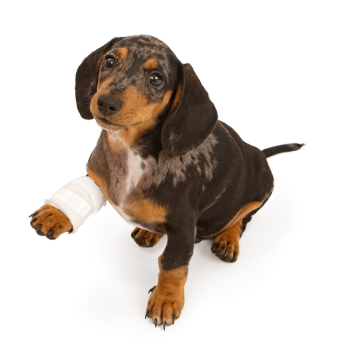
Similar to small children, dogs can hurt themselves when they run, jump, bounce and play. This can be stressful for a pet owner, because a dog cannot communicate what exactly is hurting. A cry and/or limp may be your only indicators that your pet is injured. Additionally, you may not be able to pinpoint when exactly your dog hurt himself. If you notice your dog limping and/or crying during normal activities, he may have a sprained foot.

Take your pet to the vet. It is important to take your dog to the vet if he injures his paw. Some dogs are good at hiding pain in a joint medical term, so even a small limp could be indicative of a more serious injury. The vet will look at the paws, toes, legs, hips and joints and may even recommend an X-ray. If the vet determines that your dog has a sprained foot, she may prescribe an dog anti inflammatory to help with your pet's discomfort. Additionally, she may recommend that you add a supplement to your dog's diet to help keep his joints and bones strong and possibly prevent future injury.

Follow the vet's instructions for giving the medicine and joint supplements for dogs. You may have to mix the pills with food or even hide them in peanut butter to get your dog to take them.

Limit your dog's activities until his sprained foot is healed. Young dogs and puppies will sometimes get excited and ignore their pain to play, which could make the sprain worse. Avoid throwing balls or other toys for your dog to fetch. Avoid playing tug of war, because pulling can strain a dog's paws. Walk your dog only when he has to go to the bathroom. Additionally, prevent your dog from jumping up and greeting you whenever possible.

Reinforce calm activities for your dog. Keep your dog relatively calm and in one place by purchasing a Nylabone, edible bone or Kong for him to lie down and chew.

Revisit the vet for a follow-up appointment. Your vet more than likely will schedule a follow-up appointment approximately 2 weeks after your original visit. Go to this appointment even if your dog seems to be doing better. You will want to make sure that the sprain is healed and that your pet has not just adapted to the pain. Your vet may provide further instructions or even order an X-ray if the foot has not gotten better.

Friday, July 15, 2016

Canine Bursitis

When your dog injures his shoulder, it affects the bursa, a small fluid-filled sac protecting tendons, muscles and dog joints. The bursa acts as a cushion between moving body parts, and when it's infected or injured, it typically swells with fluid. The condition, called bursitis, is painful, but responds to home and veterinary treatment.

Features
Bursitis can occur abruptly, such as from blunt trauma when a dog runs into a barrier; or happen over time, such as from repetitive exercise that strains the shoulder. The bursa may sustain a direct or indirect impact from an injury to the adjacent bones or tendons. Obesity is a factor, as weight puts added pressure on the shoulder joint. Watch for sudden limping after strenuous exercise, reluctance to get up due to pain or irritability when the area is touched. Sometimes the dog licks or gnaws at the painful shoulder. If you gently extend your dog’s leg and shoulder, putting light pressure on the shoulder, you can often feel the swollen bursa. Treat bursitis promptly, because chronic inflammation can cause permanent tissue damage.

Typical Bursitis
The primary treatment for bursitis is rest, sleep and more rest. Gentle massage of the swollen shoulder often eases discomfort and helps to reduce inflammation. In the early stages, a cold compress over the swollen bursa can help reduce swelling. After the swelling goes down, warm compresses help the body absorb exudates and bursa fluids. Some dogs benefit from nonsteroidal anti inflammatory dogs drugs or corticosteroid injections and joint meds for dogs to help reduce inflammation and pain.

Suppurative Bursitis
Treatment for suppurative bursitis requires antibiotics. This type of bursitis occurs when the bursa becomes infected and fills with pus or purulent fluid. Suppurative bursitis can be caused by an open wound on the shoulder due to a fight, accident or other trauma. Bacteria migrate from the wound causing infection and pain, and sometimes rupturing the bursa. Treatment includes wound cleaning, local or injected antibiotics and rest. The vet may leave the cleansed wound open to drain or close it with a drainage tube to draw off fluid.

Surgery
Surgical treatment helps some bursitis conditions. When a wound is contaminated, surgical exploration cleans the wound of foreign objects such as a foxtail or barb and removes infected bursal tissue. For some dogs, bursitis doesn't improve, and pain becomes more intense despite antibiotics, pain relief and rest. Chronic infection with recurring pus discharges is another sign that the bursa isn't healing. For a damaged bursa or chronic bursitis that leaves the dog with continuing pain and mobility, the preferred treatment may be surgical removal of the affected bursa. Your dog loses the bursitis pain and recovers mobility.

Monday, July 11, 2016

Strong Bones in Canines


For many people, dogs are an important part of everyday life. Some would even consider their dog to be an official member of the family so it's crucial to keep your four legged friends in the best of health. Making sure your dog has strong bones will help him reach and retain that health for many years to come. With some effort and the proper education you can help strengthen your dog's bones today.

Promoting Strong Bones
Pay attention to the ingredients in your dog's food. A healthy, well balanced diet is crucial to his bone strength. Dogs vitamin d, calcium and phosphorus are all well known for promoting bone strength so try to find a dog food with all three of these ingredients. Bone meal is a great source of these best dog multivitamin and minerals and can be added to most foods, if needed.

Take your dog out for exercise on a regular basis. When it comes to strengthening a dog's body, bones included, there is no substitute for good old exercise. Using the leash, take your dog on walks at least 2 to 3 times a week, but he won't mind if you want to walk him every day. If you have the physical ability, play with your dog often. Dogs can store lots of energy they must release, and this way they get even more exercise.

Look for food that also has glucosamine, which will strengthen both your dog's joints and bones. The dog joint and muscle health are just as important, and keeping other aspects of your dog healthy will help keep the bones as healthy as they can possibly be.

Thursday, July 7, 2016

Cat Bladder Problems

Cosequin For Cats is a product that confuses many people. Though it was first developed and continues to be marketed as a "joint lubrication supplement," it is can also be used to promote bladder health.

What it Does
The low molecular weight chondroitin glucosamine sulfate for dogs found in Cosequin encourages cartilage production and protects the integrity of existing cartilage. While the meaning of this for joint health is fairly obvious, the meaning for bladder health is less so.

How It Affects the Bladder
The inner layer of the bladder wall is protected by a second layer that prevents contamination and the development of abnormalities such as urinary blockages. As this second layer possesses many of the same properties as bone cartilage, Cosequin supports the secondary wall in a the same way it supports cartilage.

Safety Factor
Unlike other products developed for dogs and later applied to cats, Cosequin is one of the few products on the market specifically developed for feline health. For this reason, it is considered safer than non-feline specific products, as the feline's body and bodily functions differ significantly from canines.

Recommended Use
Cosequin is available is chicken- and tuna-flavored capsules. For cats under 10 lbs., sprinkle the contents of one capsule onto food daily. For cats over 10 lbs., sprinkle the contents of two capsules, either during a single meal or split between two meals.
Additional Ingredients
In addition to sodium chondroitin sulfate and cat glucosamine hydrochloride, Cosequin For Cats contains gelatin, natural chicken and tuna flavors, water, manganese ascorbate, mixed glycosaminoglycans, magnesium stearate and titanium dioxide.

Sunday, July 3, 2016

Heartworm Medicine Side Effects

As a responsible dog owner, you are aware how important it is to get heartworm preventative medication for your dog. Many medications your Vet gives to prevent one problem sometimes have side effects. You need to be attentive to the pros and cons of giving your dog heartworm medication.

Effects
Heartworm prevention is extremely important in saving the life of your dog, especially if he spends a lot of time outside. Every year, along with your dogs' annual checkup and vaccinations, be sure to have him tested for heartworm. This involves a simple blood test. Although there are some ill side effects of heartworm prevention medication, without treatment, your dog can die from the infestation of heartworm. This is a parasitic worm that transmits through a mosquito bite.

Significance
Some of the side effects or signs of pain in dogs your dog can experience from heartworm medication are weakness, vomiting, convulsions, diarrhea, a weaker immune system and a strain on kidneys and the liver. With lowered immunity, your dog may be more susceptible to infections, other diseases and conditions such as skin allergies, dog has arthritis, immune mediated hemolytic anemia (IMHA), and even some forms of cancer.

Function
The way heartworm medication works is it kills off the larvae circulating in your dog's body before they get to adult stage, which is when they cause damage. Though this is a preventative medication used in small amounts, damage to the animal's system increases when taken month after month. However, do not risk heartworm disease in your dog because you run across suggestions of danger and side effects. Heartworm infestation far outweighs any ill side effects your dog may experience from the medication.

Considerations

Discuss with your vet the various heartworm medications available and their specific side effects. They come in chewable tablets, liquid vitamins for dogs, pills and topical ointments. Choose the option best for your dog, with the least side effects. The most common heartworm medications are HeartGard, HeartGard Plus, Interceptor, Iverhart Plus, Iverhart Max and Sentinel. There are ways to treat your dog naturally as well, with no ill side effects. You can use natural treatments alone or in conjunction with preventative medicine.

Prevention/Solution

The natural approach also should be under veterinary supervision. Consider a natural, healthy diet of mostly raw foods and fresh water to protect your dog against infection and heartworm. Consider foods such as raw meat, raw bones, chopped raw vegetables and fruits. Speak with your vet for recommendations of a good natural holistic diet for your dog. A good natural diet is the best medicine to safeguard your dog as well as ensure a stronger immune system, an efficient healthy liver, kidney, heart and proper bodily functions.

Warning
If your vet suggests a preventative medication, do not overdose your dog. It is imperative to keep good medication records so as not to repeat the dosage earlier than necessary. Be sure to have your dog tested yearly and follow your vet's precise instructions to ward off heartworm with the least possible ill side effects.

Wednesday, June 29, 2016

Signs of Autoimmune Ailments

A dog's immune system is made up primarily of spleen, bone marrow, white blood cells and antibodies. Their job is to attack foreign cells that enter the body. In autoimmune disease, the dog's immune system doesn't recognize its own cells or tissues, so it attacks and tries to destroy them. There are several different autoimmune diseases of dogs that affect different body systems. Some signs of pain in dogs are common among several types, some are fairly system specific. Many symptoms can mimic other diseases.

Autoimmune hemolytic anemia (AIHA) and immune-mediated thrombocytopenia (IMT) are two types of autoimmune blood diseases of dogs. In AIHA, the red blood cells become defective and the immune system destroys them, causing anemia. Symptoms can include weakness, lethargy, changes in heart rate, heart murmurs, decreased appetite and pale mucous membranes. In severe cases the dog can appear jaundiced and collapse. In IMT, the thrombocytes (the clotting cells in the blood) are destroyed. These dogs will bruise easily, bleed excessively, and might have blood in their urine or their stool.

When autoimmune disease attacks the dog's nerves and muscles, you can see weakness, stiffness, and paralysis of the muscles in the face, the eyelids or in the dog's limbs (causing him to knuckle under or drag one or more of his feet). Some dogs will have severe muscle wasting and difficulty eating and/or swallowing. These dogs often can't tolerate exercise.

Rheumatoid arthritis is an autoimmune joint disease. Symptoms can include shifting leg lameness, swollen joints, crepitus (a crackling noise in the joints when they're manipulated), a restricted range of motion, joint pain in dogs and often fever. In some cases, the dog's lymph nodes might be swollen.

Various organs can be affected by autoimmune disease, for example the eyes, the thyroid gland, the adrenal gland and the intestines. In the eyes, signs can include dry eye, infections in the eyelid glands, ulcerations and fatty deposits in the eye. Autoimmune thyroiditis is the most common form of canine thyroid disease. Symptoms can include lethargy, exercise intolerance, weight gain, chronic infections, reproductive problems, poor hair coat and sometimes neurologic signs, like seizures. Addison's disease is an autoimmune disease of the adrenal gland, which can produce loss of appetite, depression, abdominal pain, increased water consumption and urination. In severe cases it can result in kidney failure and collapse. Inflammatory bowel disease involves the intestines and signs might include constipation or diarrhea, and vomiting.

Systemic lupus erythematosus, or simply "lupus," affects multiple organ systems. Signs can either be acute or they can be chronic, and they can appear in cycles. Some common symptoms would be a fluctuating fever that doesn't respond to antibiotics, a stiff gait with shifting leg lameness, joint swelling and dog joint pain, muscle inflammation or muscle wasting, attitude changes, anemia and thrombocytopenia, low white count, and skin lesions, especially symmetrical dermatitis across the dog's nose ("butterfly pattern").

Thursday, June 23, 2016

Pet and Shake


Petting your dog and seeing that hind leg start to shake is bound to get a giggle or two out of yourself or other family members. But why does a dog do that crazy leg thing when you pet him?

The Saddle Region
An area on the dog's body called the “saddle region” is extremely sensitive consisting of the back, sides and flanks. This area varies slightly from dog to dog.

Prevention

Unfortunately if this is bothersome to you there is no cure for the shaking leg other than for you to not pet her in that particular area.

Misconceptions
Dogs also do what is called “itch kick” where the arthritis in dogs hind legs waves if the dog has an itch. It is meant to get rid of insects and irritants that are causing him to itch. If you tickle his side you are sure to get this involuntary movement that is caused by reactors in the spinal cord.

Fun Fact
The small spot where your dog’s tail ends and the pelvis begins is another spot that will make the leg shake unexpectedly. This is another known sensitive and erogenous zone.

Warning

If your dog's leg shakes uncontrollably or excessively when petted, touched or just sitting alone it is best to have a vet check for hip or elbow dysplasia in dogs or arthritis dog. There could be a muscle wasting in the hind legs which is causing the leg to involuntary shake.

Tuesday, June 21, 2016

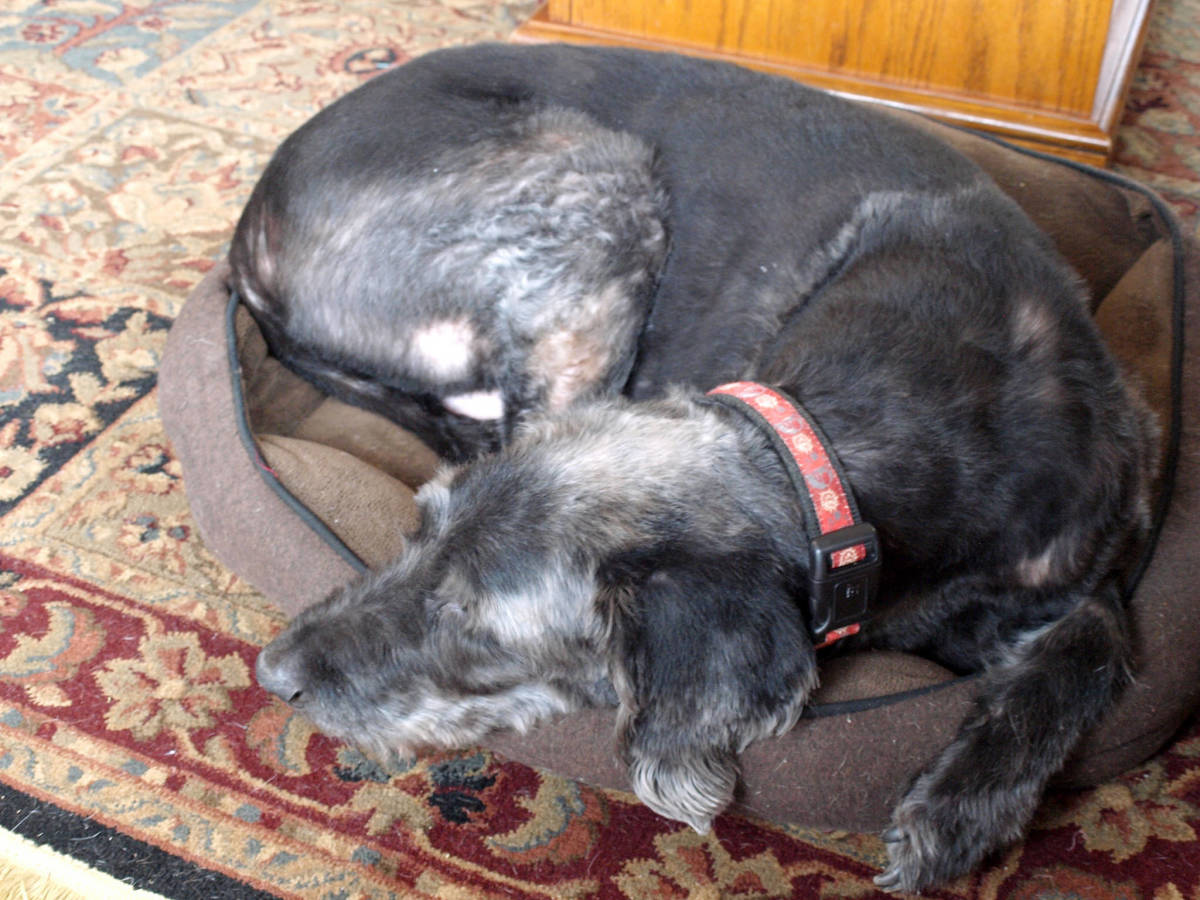
Is your Senior Dog Sleeping too Much?

As your dog enters her golden years, it’s entirely normal for her to sleep more than she used to; this is a natural part of the aging process. However, sudden or extreme changes in her sleep cycle may be cause for a veterinary examination. In many cases, a simple diet alteration can be the answer. The important thing is to rule out any medical issues early.

Monitor Her Sleep
It’s normal for an older dog to sleep more and for her sleep patterns to change as she ages. You may notice that your dog is sleeping at different times of day and for longer periods. But if your dog has gone from sleeping for half the morning to sleeping the entire morning, this may be signs of pain in dogs or signal a health issue. To make a solid assessment on the extremity of the changes to her sleep, keep a doggy sleep diary. Note down the times she sleeps and for how long. Small and medium breeds typically reach their twilight years once they pass the age of 7, larger breeds around the age of 6 and giant breeds around the age of 5. It’s around these ages that you can expect to see a slow increase in the amount of sleep your dog needs.

Look for Other Health Issues
Monitor your dog’s appetite, her toilet habits, her activity levels and the general condition of her body. A dog sleeping more than normal who also shows a decline in appearance and appetite may, for example, be suffering from age-related illness such as kidney failure. A dog who sleeps more than normal and also displays mobility issues may be suffering from arthritis for dogs.

Examine Environmental Factors
Keep track of any environmental factors that could be influencing your dog’s sleep patterns. For example, a recent move may be causing your dog to experience interrupted sleep, which could lead to tiredness during the day. Too much exercise, not enough food, climate and temperature can cause a dog to require more sleep.

Make Lifestyle Adjustments
You can make life easier for an older dog with a few simple adjustments. If she’s lethargic or overly sleepy, move her bed nearer to the door, so it’s less effort for her to go outside. Splitting her meals up into four smaller servings, instead of two large meals, can provide some digestive relief as well. Also adding best dog supplements in her diet may help.

Consult a Veterinarian

If your dog’s sleeping patterns are causing you concern, or if the changes are extreme or unpredictable, consult your veterinarian immediately. In many cases, the cause for her tiredness or lethargy may be treatable with minor lifestyle adjustments or medication, but it’s always smart to get a professional opinion.

Thursday, June 16, 2016

Dog Paw Biting

It can be distressing for an owner to see his dog chewing on his paws. This kind of behavior is common but it can be self-destructive and cause injury if it isn't caught early. Although dogs will chew and lick objects around them, continuous chewing on their paws is one of the signs of pain in dogs that something is wrong. The reasons could be health-related or behavioral but it is important to seek advice from a vet.

This kind of behavior will be very noticeable in your dog. She will continuously chew on her paws and you might also see her licking the area vigorously. Even if you haven't noticed this behavior regularly, if your dog's paws are red, flaky or are losing fur, it is important to visit your vet to determine the cause. You might also notice that the fur around the paws becomes stained with your dog's saliva.

Although it can be common in dogs, this kind of behavior usually indicates a medical or behavioral problem. Either way, this will need canine arthritis treatment, or the dog is at risk of injuring himself. If he continues chewing and irritating the area, it could lead to skin infections and difficulty walking. A vet's diagnosis will help prevent this kind of behavior in the future.

As Professor's House explains, if a dog is continuously chewing or licking her paws, this could indicate a skin problem, parasite, existing injury or some kind of internal health problem such as dog with arthritis. If no medical cause is apparent, obsessive compulsive disorder could be behind this activity. Veterinarian Dr. Matthew Cooper says that irritated paws might also be caused by allergies to food or the dog's environment.

Once your vet has confirmed the source of the problem, you can take the appropriate action to prevent this kind of behavior recurring in the future. Your vet might give you certain ointments that have a smell or taste that deters the dog from chewing the area. If the cause is behavioral, your dog might need professional training. You can also help by ensuring that she has enough stimulation, exercise and play time.

Although it will be easy for you to intervene with this kind of behavior when you are around, it can also be caused by boredom, so it is important to ensure your dog has enough toys to play with when you leave him alone. If his chewing is severe, your vet might also recommend a restraint collar so your dog can't reach his paws, allowing any infections to heal.

Friday, June 10, 2016

Signs of Wobblers

Wobbler syndrome is a neurological disorder that affects dogs and is caused by neck bones compressing the spinal cord. The pressure on the spine results in nerve damage that results in wobbler symptoms. Knowing what signs of pain in dogs to look for can identify this syndrome quickly so that appropriate care or surgery can be provided.

Hind Legs
One of the first signs of wobbler syndrome is a weak, wobbly gait arthritis in dogs back legs. The hips sway from side to side when it's walking due to the nerve damage causing decreased control over the hind leg muscles. The hind legs sometimes begin to extend outward and become stiff as if the dog was stretching, according to the Textbook of Small Animal Orthopaedics. This leads to the dog walking with a pendulum-type motion, swinging its hind legs forward one at a time.

Front Legs
Another major symptom is weakness or arthritis in dogs front leg, which result in the dog having trouble getting up from a lying down position. This is because the bulk of a dog's weight is centered over the shoulders and requires the most strength to lift. According to Ronaldo C. da Costa, DMV, the front legs can become so weak with wobbler syndrome that a dog's feet may buckle and fall over face forward. The dog will avoid slippery surfaces that require strength in the front legs because of this weakness and lack of coordination.
Feet
Dogs with wobbler syndrome often scrape the top of their feet and toenails on the ground when walking, causing the top of the nails to become short or worn-looking, according to the Textbook of Small Animal Orthopaedics. This is due to the dog's inability to keep its feet upright and lifted off the ground while walking.
Neck
The neck is another region affected by wobbler syndrome. The most common symptom is general weakness in the neck, leading the dog to lie down frequently and walking with the head held low. If the dog is just beginning to develop wobbler syndrome, it may seem "lazy" or tired. The dog may turn its entire body instead of its head to see something due to limited coordination and strength in the neck muscles. Manually moving a dog around slightly may cause pain due to muscle stiffness and pinched nerves.

Tuesday, June 7, 2016

Paper Training a Dog

Senior dogs can experience bowel and bladder incontinence as they age. Training them to go on paper or in an indoor bathroom can create convenience for them as well as ease of cleanup for you.

Get a Vet Checkup

Elderly and senior dogs need to have regular veterinary checkups to ensure dog joint health problems are caught and addressed early. For example, you may find your older dog urinating in inappropriate spots and think his bladder has given out, when in fact, he may just be suffering from an easily treatable bladder infection. Monitor what's going on with your older dog's health so you and your vet can create a plan of action for making that your pet’s golden years pleasant ones. Some older dogs who start having accidents in the house are suffering from arthritis dogs, which makes it difficult to get around.
                   
Introduce Papers Outside
If your dog is mobile and primarily is going to the bathroom outside, start to introduce papers in his usual elimination spot. When you take your dog out to go to the bathroom, lead him to the papers and give your usual command, such as, “outside,” or, “potty.” When he uses the paper, reward him with a treat and praise. If possible, leave the paper in place for day or two so he can return to the same place and recognize his scent, as well as start to associate elimination with the paper.

Start Moving the Paper
Gradually move the training papers closer to the door so your dog becomes accustomed to finding and using them. Eventually move them inside to a spot where you want them to remain. Choose the spot carefully, ideally in an out-of-the-way area such as a laundry room or a space with a tile or linoleum floor. Once the indoor bathroom is established, take your dog to this place each time he needs to eliminate just as you would have taken him outside to do his business. Continue to reward successful indoor bathroom habits with treats until behavior is established.
Elderly Dog Considerations
Keep in mind that one of the reasons elderly dogs sometimes have a problem eliminating outside is because they have mobility issues that make this travel painful. Take that into consideration when establishing your inside bathroom spot. If your dog has to travel to the far reaches of your house or go up and down stairs, he may continue to have accidents, so keep the papers in a relatively centralized area that your pup can easily access.

Saturday, June 4, 2016

Feline Pain Remedies

It's not always easy to know when your cat is in pain. You may notice behavioral changes such as irritability or withdrawal or more obvious signs such as favoring a limb. Physical signs may include dilated pupils or a change in heart rate. Cat pain management requires careful attention because as a species, they do not easily metabolize the available drugs.

Pain in Cats
Acute pain in cats can be caused by accident or injury. Acute pain usually improves within three to four days. Chronic pain in a joint medical term is associated with progressive diseases such as arthritis. Other types of pain include cancer pain and neuropathic pain, which results from damage to nerves.

Veterinarians use a pain scale to rate an animal's pain. It is a questionnaire that analyzes age, gender, cause of pain, body region and pain intensity. Although somewhat subjective, pain scales are a helpful tool in assessing pain.

Treating Pain in Cats
Cats do not produce sufficient liver enzymes to metabolize many non-steroidal anti-inflammatory agents (aspirin and ketoprofen, for example), so the drugs linger much longer in the bloodstream. These drugs should only be used under strict veterinary supervision.

Acetaminophen (Tylenol) is particularly dangerous to cats and must not used as a pain treatment.

Prescription pain medications are best supplement for joint pain to treat cat pain. Butorphanol is effective but may cause sedation in cats. It is available as an injection or tablet.

Corticosteroids are sometimes used to treat inflammation and pain, but newer drugs with fewer side effects are now supplanting their use.

As an adjunct to traditional veterinary care, acupuncture is gaining favor as a method of pain treatment. According to Acupuncture.com, there are more than150,000 veterinary acupuncturists practicing today.
Home Care
Keep your cat as comfortable as possible. Be sure food and water bowls are easy to reach. If your home is more than one level, provide a litter box on each floor to reduce stair climbing. Consider a new litter box with lower sides.

A heated pet bed and joint supplements for cats may help to ease arthritis pain. Indulge your cat's desire for quiet and isolation by providing a "cat cave," a quiet, sheltered area for rest and recuperation.

Stress can exacerbate pain symptoms; keep her environment as secure as possible. Quietly interact with and massage your cat daily. His ability to groom may be reduced as a result of his pain, so gently brush or comb him regularly as well.

Wednesday, June 1, 2016

Supplements in Raw Dog Food?

There is little agreement about whether nutritional supplements for dogs are necessary with a raw dog food diet. Purists point out that everything a dog needs for optimum nutrition as nature intended is provided by meat, bones and organs. Others hold that supplements are critical for addressing particular health concerns, whether one feeds raw or kibble. Most people take a conservative approach and feed a few common supplements.

Types
There is no universal raw food diet model. Many people feed ground commercial raw products. Some of these also contain raw ground vegetables and supplements like kelp, flax seeds and fish oil. Others prefer to feed "whole prey" or a close approximation of such: poultry, rabbit, pork, beef, goat, fish and other meats, given to the dog in meal-sized pieces of meat and bone. It is also not uncommon for people to feed both some ground product alternating with whole meat and bone meals.

Theories/Speculation
Broadly speaking, people who feed a raw food diet to their dogs fall into one of two camps--with perhaps the majority of people straddling both philosophies.

Tom Lonsdale, DVM, author of "Raw Meaty Bones," espouses a whole, natural diet, without ground raw, supplements or vegetables. Ian Billinghurst, DVM, author of "Give Your Dog a Bone," advocates a broader approach to feeding. He coined the phrase BARF (Bones and Raw Food) and recommends vegetables, fruits, table scraps and supplements in a meat-based diet.

Lonsdale maintains that "supplementary, synthetic vitamins" can do harm, and that the vitamins and minerals in raw, fresh food are all a dog needs. On the other hand, Billinghurst recommends supplementing with several vitamins, such as antioxidants like Vitamin C and Vitamin E, B-complex vitamins, liquid dog vitamins and other micro-nutrients like kelp and omega-3 fatty acids.

Legions of other veterinarians and experts in canine nutrition have weighed in on this debate, but there is little agreement on whether supplements are needed in a raw food diet, and if so, which supplements and what dosage.
Common Supplements
Many people--whether they feed a raw food diet, a cooked diet or kibble--supplement with omega-3 fatty acids. Meat is already high in omega-6 fatty acids and some believe omega-3 is lacking. These are typically available in supplement form as either fish oil capsules or flaxseed supplements. Fish oil is the better choice: it is more bio-available to dogs. Research strongly suggests that omega-3 fatty acids are important for skin and coat health, joint function and even as "brain food" to grow intelligent puppies.

Some studies indicate that raw diets may be lacking in iodine. Adding kelp to the diet provides iodine, which is important in maintaining proper thyroid functioning. Iodine in the form of salt is added to most dry dog foods

Antioxidants and B-complex vitamins are supplied with alfalfa supplements or individual pills.

We also recommend OmNutra Pet Essentials Advanced Pet Joint Care to his diet. Its advanced formula with glucosemine dogs, Chondroitin, MSM, Hyaluronic Acid, Vitamin C & E will help rebuild the worn out cartilage causing the difficulty in mobility.

Supplementing for Specific Conditions
From arthritis to allergies, a huge range of supplements and nutraceuticals may be helpful (see link in Resources). Glucosamine and chondroitin are often recommended by veterinarians for arthritis and joint pain. Fish oil can be useful for soothing itchy skin and atopic allergies.

For specific conditions, do some on-line research and consider consulting with a veterinarian who practices complementary medicine or has training in canine nutrition.

Friday, May 27, 2016

Canine Tendonitis

Tendonitis in dogs is a painful condition that generally affects dogs that are more physically active, such as greyhounds, running dogs, dogs involved in rescue and search operations, and other hunting and sledding dogs. The classic tendonitis dog in pain symptoms include noticeable limping in the dog, and the dog may even occasionally cry out with pain. Depending on the area of occurrence, its range of motion may also be impacted.

Ice or Hot Packs
If the dog is in extreme pain, ice or hot packs can be applied to the affected region. This can help in alleviating the hip pain in dogs and reduce the inflammation.

Rest
Adequate rest is another essential aspect of tendonitis treatment for dogs. Since the condition can worsen if the affected area is used or moved, the dog needs to be confined to bed and made to rest.
Anti-Inflammatory Drugs
Sometimes dog anti-inflammatory drugs may also be required to reduce the inflammation. These drugs should only be given under the supervision of a veterinary doctor.
Veterinary Care
In case of severe or chronic tendonitis or a ruptured tendon, the dog would need veterinary care. This may also require fluid drainage from the affected area, which only a veterinarian can do.
Massage
Many times, gentle massage or physical therapy may be helpful in alleviating the pain associated with tendonitis. However, the massage should be done in the presence of a qualified veterinary practitioner.
Surgery
Surgery is the last resort treatment for a severe case of tendonitis in dogs. Surgery is only done when the pain is unbearable and regular functions become completely impossible.

Tuesday, May 24, 2016

Hip Popping Problems in Dogs

Hip-popping problems are not uncommon in dogs. The larger the animal, the more likely he will have dog joint pain issues. Certain breeds, such as golden retrievers and German shepherds, are predisposed to this. If you're aware of the symptoms and treatments, you can help protect your pet from experiencing unnecessary pain and discomfort.

Cause
The most common cause of hip popping in dogs is hip dysplasia. This is a congenital disease that results in malformation of the ball-and-socket joint that makes up the hip. Instead of a smoothly moving joint, a dysplastic hip features a ball and socket that don't fit together correctly. When the hip moves, the two parts of the joint rub together, causing uncomfortable friction and the wearing away of cartilage. Eventually, arthritis dogs will result.

Symptoms
A dog with hip dysplasia may have difficulty standing and may hesitate walking up stairs. He may "bunny hop," or use both rear legs together instead of independently of each other. He may walk with a noticeable sway in his back end as he tries not to engage his painful hip. You may notice that he spends more time at rest. In some dysplastic joints, you'll hear a popping sound as the loose ball makes contact with the socket.
Treatment
If your dog is overweight, it's important to put him on a weight-control program. Every extra pound on your pet's frame places more pressure on the joints, which helps accelerate the progression of the disease. Regular exercise can stimulate cartilage growth and build muscle, which can help take the strain off the joints. Your vet may prescribe a nonsteroidal natural anti inflammatory dogs drug (NSAID) to help treat the pain and the arthritis. In severe cases, surgery may be necessary.
Prevention
Since dogs are born with hip dysplasia, it's not preventable. However, you can help slow its progression and keep your dog comfortable for a longer period of time. At the first signs of lameness, soreness or other indications of hip pain, start her on glucosamine and chondroitin to help maintain joint tissue and fluid. This will help slow the degeneration of the joints, and therefore help delay the onset of pain and inflammation. Talk to your vet about a prescription medication that can help manage the symptoms of this disease.

Warnings
Don't exercise your pet too much. Some exercise is helpful, while too much can be detrimental to good joint health. One or two short walks a day should be enough exercise for a dog with mild hip dysplasia. If your dog has surgery to treat this condition, be sure to wait the full recovery period before returning to normal activities. Exercising too soon can cause further damage to the joint area.

Friday, May 20, 2016

Schnoodle Ailments

When a poodle and schnauzer produce offspring, the result is known as a schnoodle. Like most breeds, schnoodles are healthy, but they are more prone to certain diseases than other breeds. Even though your schnoodle may be fine, it is important to be aware of diseases that could occur in order to seek treatment as soon as possible.

Hip Dysplasia
Schnoodles are more prone to dog hip and bone dysplasia than other breeds. This disease is hereditary. Hip dysplasia is a bone and joint disorder in which the head of the femur (large rear leg bone) either fits loosely or is completely dislocated from the socket. When this happens, it causes abnormal hip joint development. As the condition develops or worsens and the bone separates from the joint, arthritis in dogs generally occurs due to the friction. Pain sets in, and eventually debilitation is possible. You may see signs there is a problem when your schnoodle is four months to one year in age. If you notice your dog has difficulty standing, begins limping, or has a problem running or even walking that lasts more than a couple days, take your schnoodle to the veterinarian.

Legg-Calve-Perthes Disease
Legg-Calve-Perthes-Disease, also known as LCP, also involves the hip joint. However, if caught early enough, there are treatments for LCP. With this condition, the blood supply to the head of the femur connected to the pelvis decreases, causing the pelvis to deteriorate. Similar to hip dysplasia, signs there is a problem can occur as early as four months in age, and some of the signs are the same. You may notice limping and difficulty standing. If caught in the early stages, treatment may be possible with non-steroidal dog anti inflammatory drugs. However, if LCP is too severe, surgery will be required.

Progressive Retinal Atrophy
One main eye disorder with schnoodles is progressive retinal atrophy, known as PRA. There are different classifications of PRA, but ultimately it leads to complete blindness. The most common early sign of the disease is night blindness. If you notice your schnoodle bumping or tripping over objects and running into walls when a room has dim lighting, suspect PRA. As the disease progresses, dogs may lose sight during the day. In some cases, dogs will adjust to their surroundings even with partial vision loss if their surroundings do not change. If there is any indication your schnoodle has vision problems, a veterinary ophthalmologist will conduct an electroretinogram test to determine vision loss.

Saturday, May 14, 2016

Hip Problems in German Shepherds

Hip problems plague German shepherds, but helping an individual dog depends on his actual diagnosis. The two most common dog hip pain affecting the breed are hip dysplasia and degenerative myelopathy, which are very different conditions. Like many dogs, German shepherds are prone to arthritis as they age, which often afflicts the hips.

Hip Dysplasia
In German shepherds, hip or elbow dysplasia in dogs may become evident by the time the dog reaches middle age. It's a hereditary condition, resulting from a malformed hip joint. Symptoms include:
  1. Difficulty rising from a prone position
  2. Reluctance to climb stairs or into the car
  3. Limping or stiffness.

X-rays will confirm whether your dog suffers from hip dysplasia. Dogs with severe hip dysplasia require surgery, the equivalent of a hip replacement. Canines with milder forms of the condition may do well with supportive care and therapies. This includes:
  1. Massage
  2. Joint supplements
  3. Acupuncture
  4. Orthopedic dog bed
  5. Pain medication, when necessary
  6. A customized exercise program, focusing on walking and swimming.

It's important that your dog maintain a healthy weight, as extra pounds stress his joints. Your vet will recommend a weight management program for your German shepherd, if needed, when putting together a management plan for your pet.

If your dog is diagnosed with symptoms of arthritis in dogs rather than hip dysplasia per se, many of the same treatments apply, although surgery isn't generally an option.

Degenerative Myelopathy
Degenerative myelopathy occurs so often in the breed that it is often referred to as "German shepherd degenerative myelopathy." This genetic, progressive disease is similar to amyotrophic lateral sclerosis in people. There's no cure for degenerative myelopathy, but treatment can extend the dog's quality of life. The disease usually appears in German shepherds around the age of 8 or 9. Early signs mimic those of hip dysplasia. Other symptoms include:
  1. Dragging the hind feet
  2. Swaying when walking
  3. Crossing the rear legs when walking or standing

As the disease progresses, the dog is no longer able to stand. Your vet diagnoses degenerative myelopathy via blood tests, X-rays or magnetic resonance imaging and spinal fluid testing. Management includes:
  1. Physical therapy
  2. Swimming or light walking for exercise and maintenance of muscle mass
  3. Medication and supplements, such as prednisone, various vitamins and aminocaproic acid, a lysine derivative. 

Unfortunately, most dogs require euthanasia within a year of diagnosis.

Wednesday, May 11, 2016

DHEA for Dogs

Obesity is a major health concern for dogs. Overweight dogs are more likely to develop conditions such as heart disease and arthritis in dogs, and these conditions can prevent them from living as long as some of their leaner four-legged friends. There are many ways to keep your dog's weight under control. Diet, exercise and supplements are just some of the techniques you may want to try. Talk to your veterinarian about the best way to control your dog's weight and to see if best joint supplements for dogs, such as DHEA and OmNutra, might be beneficial.

Dehydroepiandrosterone
Dehydroepiandrosterone, or DHEA, is a steroid that is naturally produced by the adrenal gland in humans and other mammals. It is a major steroid in humans but its levels are much lower in other mammals, such as dogs, according to an FDA document. Its anti-obesity properties have made it a factor in weight-loss programs and pet supplements. It can also be used in dogs to reduce cortisol, a stress hormone.

Weight Loss
DHEA research in dogs has shown a wide range of results; some dogs experience no change in weight while others show significant weight loss. A study performed by the University of Wisconsin School of Veterinary Medicine found that dogs on a weight reduction program that were supplemented with DHEA lost more weight than dogs that were on the same program without DHEA, according to Doctors Foster and Smith's PetEducation.com.
Cholesterol
DHEA can also affect cholesterol levels in dogs. The University of Wisconsin study also found that the dogs that received DHEA had lower cholesterol levels than the dogs that did not receive the supplement.
Dosage
Low doses of DHEA appears to have little risk for dogs. According to Dr. Ernest Ward, a veterinarian and author in Calabash, North Carolina, 5 to 50 mg per day are recommended to promote weight loss without much risk. Another form of DHEA, called 7-oxo-DHEA, may be even safer and can be given at higher amounts. However, there is no established dosage for dogs. You should discuss any DHEA use with your veterinarian before administering it to dogs.
Precautions
DHEA should be used with care in dogs. It is a steroid that can affect your dog's body systems and hormones; you should ask your veterinarian for advice before you use it as a weight-loss aid. According to the FDA, it is a potential carcinogen and toxin, and its use should be monitored carefully.

Friday, May 6, 2016

Reasons of your Dog's Limping

When your pooch starts to limp, it could be a simple scratch, nails that need to be trimmed or something much serious, such as a broken limb or dog joint problems. Use a gentle touch with your pup and get him to the vet for medical attention as soon as possible.

Examine your dog for visible signs of trauma. If he’s bleeding or looks beat up in any other way, he could have been in a fight with another animal, hit by a car or otherwise injured. This constitutes a medical emergency, as your dog could have unseen internal injuries.

Check your dog’s feet, particularly his paw pads and in-between his toes. Thorns, rocks, glass and debris can get caught in these tender areas. Puncture wounds to the paw pads, whether from a toenail or a foreign object, can be painful. Use a gentle hand to remove any visible foreign object, wash with warm, soapy water and apply a topical antibiotic cream. Epsom salts can help reduce swelling.

Look for signs of discoloration on your dog’s paw pads. If they are hot and paws are red and swollen, he could be suffering pavement burns. After exposure to frigid temperatures, red, white or blackened paws can be a sign of frostbite. A trip to the vet is in order.
.
Look at your dog as he’s walking away from you. If his gait is off, he could have hip or elbow dysplasia dog. If he’s holding one leg off the ground he could have a sprain, a broken bone or a knee issue, such as a torn ligament. These issues can get worse without treatment for arthritis in dogs, so see your medical professional right away.

Pay attention to when your dog limps. If he has a hard time standing or a limp that goes away after he’s up and walking around for awhile, he could have arthritis. This is especially prevalent in older, large breed and overweight dogs.

Call your vet. A persistent limp should be checked out. Even seemingly minor issues that you treat at home, such as minor cuts, can become infected. More serious issues such as broken bones or joint and ligament problems often require rest, immobilization and sometimes surgery. If the situation goes unaddressed, the problem could get worse and be more painful for your dog.