Showing posts with label dog care. Show all posts

Tuesday, July 19, 2016

My dog has a Sprained Foot

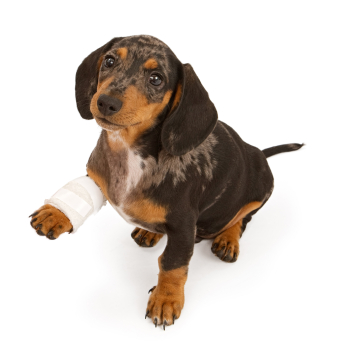
Similar to small children, dogs can hurt themselves when they run, jump, bounce and play. This can be stressful for a pet owner, because a dog cannot communicate what exactly is hurting. A cry and/or limp may be your only indicators that your pet is injured. Additionally, you may not be able to pinpoint when exactly your dog hurt himself. If you notice your dog limping and/or crying during normal activities, he may have a sprained foot.

Take your pet to the vet. It is important to take your dog to the vet if he injures his paw. Some dogs are good at hiding pain in a joint medical term, so even a small limp could be indicative of a more serious injury. The vet will look at the paws, toes, legs, hips and joints and may even recommend an X-ray. If the vet determines that your dog has a sprained foot, she may prescribe an dog anti inflammatory to help with your pet's discomfort. Additionally, she may recommend that you add a supplement to your dog's diet to help keep his joints and bones strong and possibly prevent future injury.

Follow the vet's instructions for giving the medicine and joint supplements for dogs. You may have to mix the pills with food or even hide them in peanut butter to get your dog to take them.

Limit your dog's activities until his sprained foot is healed. Young dogs and puppies will sometimes get excited and ignore their pain to play, which could make the sprain worse. Avoid throwing balls or other toys for your dog to fetch. Avoid playing tug of war, because pulling can strain a dog's paws. Walk your dog only when he has to go to the bathroom. Additionally, prevent your dog from jumping up and greeting you whenever possible.

Reinforce calm activities for your dog. Keep your dog relatively calm and in one place by purchasing a Nylabone, edible bone or Kong for him to lie down and chew.

Revisit the vet for a follow-up appointment. Your vet more than likely will schedule a follow-up appointment approximately 2 weeks after your original visit. Go to this appointment even if your dog seems to be doing better. You will want to make sure that the sprain is healed and that your pet has not just adapted to the pain. Your vet may provide further instructions or even order an X-ray if the foot has not gotten better.

Thursday, July 7, 2016

Cat Bladder Problems

Cosequin For Cats is a product that confuses many people. Though it was first developed and continues to be marketed as a "joint lubrication supplement," it is can also be used to promote bladder health.

What it Does
The low molecular weight chondroitin glucosamine sulfate for dogs found in Cosequin encourages cartilage production and protects the integrity of existing cartilage. While the meaning of this for joint health is fairly obvious, the meaning for bladder health is less so.

How It Affects the Bladder
The inner layer of the bladder wall is protected by a second layer that prevents contamination and the development of abnormalities such as urinary blockages. As this second layer possesses many of the same properties as bone cartilage, Cosequin supports the secondary wall in a the same way it supports cartilage.

Safety Factor
Unlike other products developed for dogs and later applied to cats, Cosequin is one of the few products on the market specifically developed for feline health. For this reason, it is considered safer than non-feline specific products, as the feline's body and bodily functions differ significantly from canines.

Recommended Use
Cosequin is available is chicken- and tuna-flavored capsules. For cats under 10 lbs., sprinkle the contents of one capsule onto food daily. For cats over 10 lbs., sprinkle the contents of two capsules, either during a single meal or split between two meals.
Additional Ingredients
In addition to sodium chondroitin sulfate and cat glucosamine hydrochloride, Cosequin For Cats contains gelatin, natural chicken and tuna flavors, water, manganese ascorbate, mixed glycosaminoglycans, magnesium stearate and titanium dioxide.

Thursday, June 23, 2016

Pet and Shake


Petting your dog and seeing that hind leg start to shake is bound to get a giggle or two out of yourself or other family members. But why does a dog do that crazy leg thing when you pet him?

The Saddle Region
An area on the dog's body called the “saddle region” is extremely sensitive consisting of the back, sides and flanks. This area varies slightly from dog to dog.

Prevention

Unfortunately if this is bothersome to you there is no cure for the shaking leg other than for you to not pet her in that particular area.

Misconceptions
Dogs also do what is called “itch kick” where the arthritis in dogs hind legs waves if the dog has an itch. It is meant to get rid of insects and irritants that are causing him to itch. If you tickle his side you are sure to get this involuntary movement that is caused by reactors in the spinal cord.

Fun Fact
The small spot where your dog’s tail ends and the pelvis begins is another spot that will make the leg shake unexpectedly. This is another known sensitive and erogenous zone.

Warning

If your dog's leg shakes uncontrollably or excessively when petted, touched or just sitting alone it is best to have a vet check for hip or elbow dysplasia in dogs or arthritis dog. There could be a muscle wasting in the hind legs which is causing the leg to involuntary shake.

Tuesday, June 21, 2016

Is your Senior Dog Sleeping too Much?

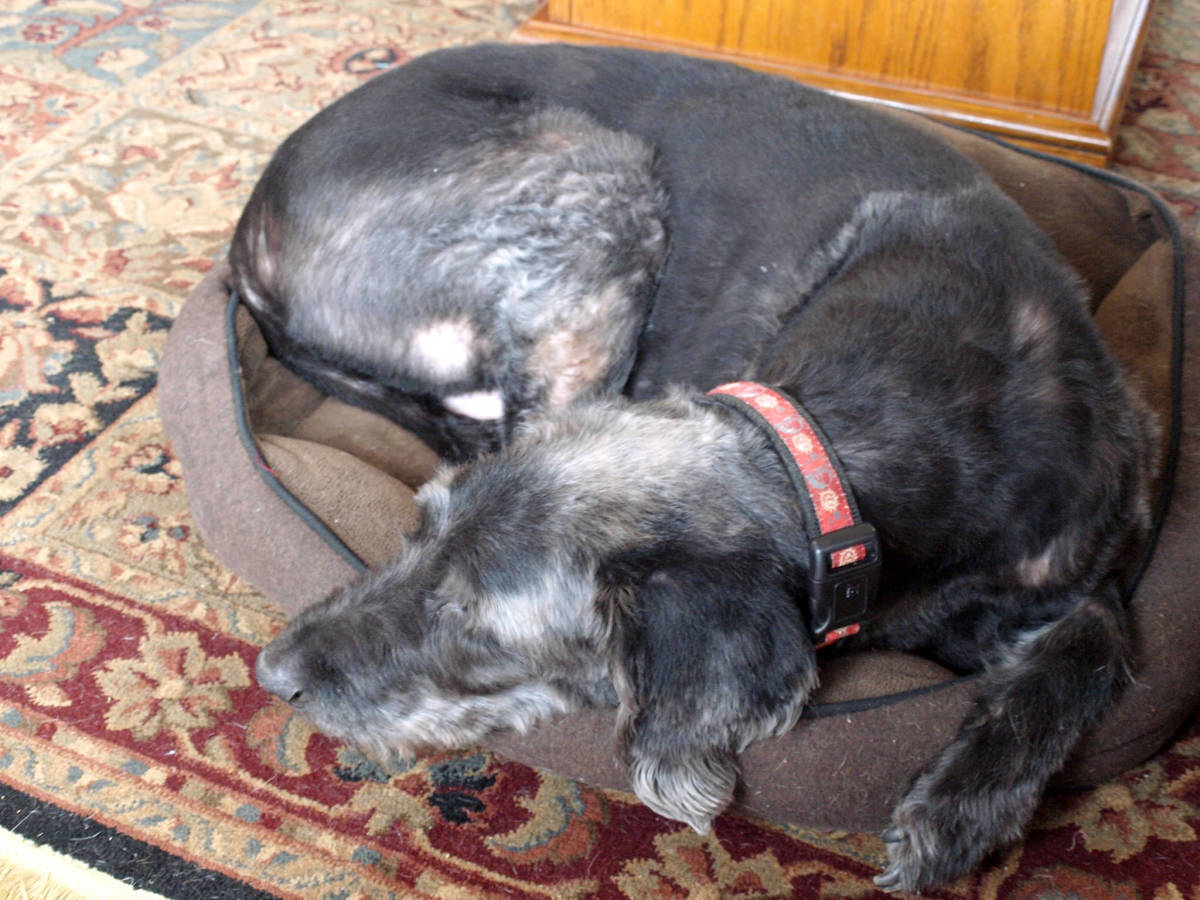
As your dog enters her golden years, it’s entirely normal for her to sleep more than she used to; this is a natural part of the aging process. However, sudden or extreme changes in her sleep cycle may be cause for a veterinary examination. In many cases, a simple diet alteration can be the answer. The important thing is to rule out any medical issues early.

Monitor Her Sleep
It’s normal for an older dog to sleep more and for her sleep patterns to change as she ages. You may notice that your dog is sleeping at different times of day and for longer periods. But if your dog has gone from sleeping for half the morning to sleeping the entire morning, this may be signs of pain in dogs or signal a health issue. To make a solid assessment on the extremity of the changes to her sleep, keep a doggy sleep diary. Note down the times she sleeps and for how long. Small and medium breeds typically reach their twilight years once they pass the age of 7, larger breeds around the age of 6 and giant breeds around the age of 5. It’s around these ages that you can expect to see a slow increase in the amount of sleep your dog needs.

Look for Other Health Issues
Monitor your dog’s appetite, her toilet habits, her activity levels and the general condition of her body. A dog sleeping more than normal who also shows a decline in appearance and appetite may, for example, be suffering from age-related illness such as kidney failure. A dog who sleeps more than normal and also displays mobility issues may be suffering from arthritis for dogs.

Examine Environmental Factors
Keep track of any environmental factors that could be influencing your dog’s sleep patterns. For example, a recent move may be causing your dog to experience interrupted sleep, which could lead to tiredness during the day. Too much exercise, not enough food, climate and temperature can cause a dog to require more sleep.

Make Lifestyle Adjustments
You can make life easier for an older dog with a few simple adjustments. If she’s lethargic or overly sleepy, move her bed nearer to the door, so it’s less effort for her to go outside. Splitting her meals up into four smaller servings, instead of two large meals, can provide some digestive relief as well. Also adding best dog supplements in her diet may help.

Consult a Veterinarian

If your dog’s sleeping patterns are causing you concern, or if the changes are extreme or unpredictable, consult your veterinarian immediately. In many cases, the cause for her tiredness or lethargy may be treatable with minor lifestyle adjustments or medication, but it’s always smart to get a professional opinion.

Thursday, June 16, 2016

Dog Paw Biting

It can be distressing for an owner to see his dog chewing on his paws. This kind of behavior is common but it can be self-destructive and cause injury if it isn't caught early. Although dogs will chew and lick objects around them, continuous chewing on their paws is one of the signs of pain in dogs that something is wrong. The reasons could be health-related or behavioral but it is important to seek advice from a vet.

This kind of behavior will be very noticeable in your dog. She will continuously chew on her paws and you might also see her licking the area vigorously. Even if you haven't noticed this behavior regularly, if your dog's paws are red, flaky or are losing fur, it is important to visit your vet to determine the cause. You might also notice that the fur around the paws becomes stained with your dog's saliva.

Although it can be common in dogs, this kind of behavior usually indicates a medical or behavioral problem. Either way, this will need canine arthritis treatment, or the dog is at risk of injuring himself. If he continues chewing and irritating the area, it could lead to skin infections and difficulty walking. A vet's diagnosis will help prevent this kind of behavior in the future.

As Professor's House explains, if a dog is continuously chewing or licking her paws, this could indicate a skin problem, parasite, existing injury or some kind of internal health problem such as dog with arthritis. If no medical cause is apparent, obsessive compulsive disorder could be behind this activity. Veterinarian Dr. Matthew Cooper says that irritated paws might also be caused by allergies to food or the dog's environment.

Once your vet has confirmed the source of the problem, you can take the appropriate action to prevent this kind of behavior recurring in the future. Your vet might give you certain ointments that have a smell or taste that deters the dog from chewing the area. If the cause is behavioral, your dog might need professional training. You can also help by ensuring that she has enough stimulation, exercise and play time.

Although it will be easy for you to intervene with this kind of behavior when you are around, it can also be caused by boredom, so it is important to ensure your dog has enough toys to play with when you leave him alone. If his chewing is severe, your vet might also recommend a restraint collar so your dog can't reach his paws, allowing any infections to heal.

Tuesday, June 7, 2016

Paper Training a Dog

Senior dogs can experience bowel and bladder incontinence as they age. Training them to go on paper or in an indoor bathroom can create convenience for them as well as ease of cleanup for you.

Get a Vet Checkup

Elderly and senior dogs need to have regular veterinary checkups to ensure dog joint health problems are caught and addressed early. For example, you may find your older dog urinating in inappropriate spots and think his bladder has given out, when in fact, he may just be suffering from an easily treatable bladder infection. Monitor what's going on with your older dog's health so you and your vet can create a plan of action for making that your pet’s golden years pleasant ones. Some older dogs who start having accidents in the house are suffering from arthritis dogs, which makes it difficult to get around.
                   
Introduce Papers Outside
If your dog is mobile and primarily is going to the bathroom outside, start to introduce papers in his usual elimination spot. When you take your dog out to go to the bathroom, lead him to the papers and give your usual command, such as, “outside,” or, “potty.” When he uses the paper, reward him with a treat and praise. If possible, leave the paper in place for day or two so he can return to the same place and recognize his scent, as well as start to associate elimination with the paper.

Start Moving the Paper
Gradually move the training papers closer to the door so your dog becomes accustomed to finding and using them. Eventually move them inside to a spot where you want them to remain. Choose the spot carefully, ideally in an out-of-the-way area such as a laundry room or a space with a tile or linoleum floor. Once the indoor bathroom is established, take your dog to this place each time he needs to eliminate just as you would have taken him outside to do his business. Continue to reward successful indoor bathroom habits with treats until behavior is established.
Elderly Dog Considerations
Keep in mind that one of the reasons elderly dogs sometimes have a problem eliminating outside is because they have mobility issues that make this travel painful. Take that into consideration when establishing your inside bathroom spot. If your dog has to travel to the far reaches of your house or go up and down stairs, he may continue to have accidents, so keep the papers in a relatively centralized area that your pup can easily access.

Wednesday, June 1, 2016

Supplements in Raw Dog Food?

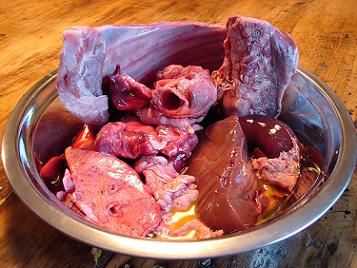
There is little agreement about whether nutritional supplements for dogs are necessary with a raw dog food diet. Purists point out that everything a dog needs for optimum nutrition as nature intended is provided by meat, bones and organs. Others hold that supplements are critical for addressing particular health concerns, whether one feeds raw or kibble. Most people take a conservative approach and feed a few common supplements.

Types
There is no universal raw food diet model. Many people feed ground commercial raw products. Some of these also contain raw ground vegetables and supplements like kelp, flax seeds and fish oil. Others prefer to feed "whole prey" or a close approximation of such: poultry, rabbit, pork, beef, goat, fish and other meats, given to the dog in meal-sized pieces of meat and bone. It is also not uncommon for people to feed both some ground product alternating with whole meat and bone meals.

Theories/Speculation
Broadly speaking, people who feed a raw food diet to their dogs fall into one of two camps--with perhaps the majority of people straddling both philosophies.

Tom Lonsdale, DVM, author of "Raw Meaty Bones," espouses a whole, natural diet, without ground raw, supplements or vegetables. Ian Billinghurst, DVM, author of "Give Your Dog a Bone," advocates a broader approach to feeding. He coined the phrase BARF (Bones and Raw Food) and recommends vegetables, fruits, table scraps and supplements in a meat-based diet.

Lonsdale maintains that "supplementary, synthetic vitamins" can do harm, and that the vitamins and minerals in raw, fresh food are all a dog needs. On the other hand, Billinghurst recommends supplementing with several vitamins, such as antioxidants like Vitamin C and Vitamin E, B-complex vitamins, liquid dog vitamins and other micro-nutrients like kelp and omega-3 fatty acids.

Legions of other veterinarians and experts in canine nutrition have weighed in on this debate, but there is little agreement on whether supplements are needed in a raw food diet, and if so, which supplements and what dosage.
Common Supplements
Many people--whether they feed a raw food diet, a cooked diet or kibble--supplement with omega-3 fatty acids. Meat is already high in omega-6 fatty acids and some believe omega-3 is lacking. These are typically available in supplement form as either fish oil capsules or flaxseed supplements. Fish oil is the better choice: it is more bio-available to dogs. Research strongly suggests that omega-3 fatty acids are important for skin and coat health, joint function and even as "brain food" to grow intelligent puppies.

Some studies indicate that raw diets may be lacking in iodine. Adding kelp to the diet provides iodine, which is important in maintaining proper thyroid functioning. Iodine in the form of salt is added to most dry dog foods

Antioxidants and B-complex vitamins are supplied with alfalfa supplements or individual pills.

We also recommend OmNutra Pet Essentials Advanced Pet Joint Care to his diet. Its advanced formula with glucosemine dogs, Chondroitin, MSM, Hyaluronic Acid, Vitamin C & E will help rebuild the worn out cartilage causing the difficulty in mobility.

Supplementing for Specific Conditions
From arthritis to allergies, a huge range of supplements and nutraceuticals may be helpful (see link in Resources). Glucosamine and chondroitin are often recommended by veterinarians for arthritis and joint pain. Fish oil can be useful for soothing itchy skin and atopic allergies.

For specific conditions, do some on-line research and consider consulting with a veterinarian who practices complementary medicine or has training in canine nutrition.

Wednesday, May 11, 2016

DHEA for Dogs

Obesity is a major health concern for dogs. Overweight dogs are more likely to develop conditions such as heart disease and arthritis in dogs, and these conditions can prevent them from living as long as some of their leaner four-legged friends. There are many ways to keep your dog's weight under control. Diet, exercise and supplements are just some of the techniques you may want to try. Talk to your veterinarian about the best way to control your dog's weight and to see if best joint supplements for dogs, such as DHEA and OmNutra, might be beneficial.

Dehydroepiandrosterone
Dehydroepiandrosterone, or DHEA, is a steroid that is naturally produced by the adrenal gland in humans and other mammals. It is a major steroid in humans but its levels are much lower in other mammals, such as dogs, according to an FDA document. Its anti-obesity properties have made it a factor in weight-loss programs and pet supplements. It can also be used in dogs to reduce cortisol, a stress hormone.

Weight Loss
DHEA research in dogs has shown a wide range of results; some dogs experience no change in weight while others show significant weight loss. A study performed by the University of Wisconsin School of Veterinary Medicine found that dogs on a weight reduction program that were supplemented with DHEA lost more weight than dogs that were on the same program without DHEA, according to Doctors Foster and Smith's PetEducation.com.
Cholesterol
DHEA can also affect cholesterol levels in dogs. The University of Wisconsin study also found that the dogs that received DHEA had lower cholesterol levels than the dogs that did not receive the supplement.
Dosage
Low doses of DHEA appears to have little risk for dogs. According to Dr. Ernest Ward, a veterinarian and author in Calabash, North Carolina, 5 to 50 mg per day are recommended to promote weight loss without much risk. Another form of DHEA, called 7-oxo-DHEA, may be even safer and can be given at higher amounts. However, there is no established dosage for dogs. You should discuss any DHEA use with your veterinarian before administering it to dogs.
Precautions
DHEA should be used with care in dogs. It is a steroid that can affect your dog's body systems and hormones; you should ask your veterinarian for advice before you use it as a weight-loss aid. According to the FDA, it is a potential carcinogen and toxin, and its use should be monitored carefully.

Tuesday, May 3, 2016

Pulled Muscles in Dogs

If your dog has a pulled leg muscle, you will notice him limping or refusing to put weight on his leg. The leg, hip or stifle may appear swollen, tender and inflamed. If your dog has pulled a neck or back muscle, you'll see stiffness, instability while walking, changes in posture, and pain in a joint medical term when touched or moved.

Strained Vs. Sprained Muscles
When your dog walks or runs, his muscles contract and relax, moving the tendons that connect the muscles and bones. Strains cause injury to the tendons; they're commonly seen in the hips and thighs. Ligaments, meanwhile, are strong, tough tissues that connect bone to bone or cartilage to cartilage. Sprains injure ligaments -- they are much more serious than strains. Sprains can cause damage to the joints. The carpal and stifle areas, the dog's wrists and knees, are commonly affected by sprains. Both sprains and strains are considered soft-tissue injuries.

What to Look For
Leg sprains and strains, common in dogs, can be caused by simple, everyday activities such as running, jumping and playing rough. Pain symptoms in dogs include limping and sudden lameness. Your dog may whine or be vocal due to pain, and may refuse to eat.

Just because your dog is limping does not mean he has incurred an injury. He may have cut his paw; may have a burr or thorn caught in his pad, or may have an ingrown toenail.

If your dog has pulled a muscle in his neck or back you may notice posture changes, with his back curved upward. He may refuse to turn his head, may appear wobbly and unstable while walking, and may seem stiff or rigid.

Risk Factors
Overweight pets are at increased risk for soft tissue injuries. The extra weight puts additional strain on muscles and tendons, making injury more likely. If your pet is overweight or obese, talk to your veterinarian about an appropriate diet. Young, active dogs are likely candidates for injury, since they enjoy rambunctious play. Canine athletes who participate in competitive sports such as agility and racing frequently suffer injuries to ligaments and tendon. Hunting dogs can injure themselves while chasing prey.

Veterinary Care
Mild leg strains will heal on their own with adequate rest. If your dog does not stop limping after two days, let a veterinarian assess the injury. Your veterinarian will perform a physical examination to look for swelling and inflammation. He may observe your dog’s gait and perform X-rays to ensure no bones are broken. Arthritis treatment for dogs usually consists of nonsteroidal anti-inflammatory drugs for pain, and lots of rest. If a ligament or tendon is ruptured or torn, surgery may be necessary. Blood tests, spinal fluid analysis, CT scans or an MRI may rule out possibility of disease, infection or fracture.

Thursday, April 28, 2016

Canine Orthopedic Support Braces

Orthopedic support braces for dogs are used for a variety of conditions to increase your pet’s mobility and provide comfort during activity. Dogs need exercise in order to maintain physical and emotional well-being. If your dog is unable to get exercise, it may develop problems such as heart disease, obesity, canine osteoarthritis, bone disorders and emotional issues such as aggression or anxiety.

Conditions
According to Vet Info, braces may be used for sprains or muscle weakness, arthritis, hip dysplasia, post-operative recovery, back leg fatigue, limping, joint weakness or dog joint pain and any type of mobility handicap. Braces should permit your dog to perform its normal activities, but should also be comfortable and offer protection from abrasions and irritations to the dog’s skin.

Knees
Knee braces are typically used following surgery for anterior cruciate ligament (ACL) repair, luxating patella or medial collateral (MCL) lateral collateral (LCL) or posterior cruciat (PCL) ligaments. Knee braces provide support and stability, prevent the loss of muscle during the period of recovery, prevent re-injury and protect the area, according to Vet Sports Medicine. Knee braces may also be used in cases where surgery will not be pursued.

Ankles
Ankle (hock) braces support the hock joint following surgeries such as Achilles tendon, hind paw nerve damage or toe injury and hock joint repair. Vet Sports Medicine indicates that it may also be used for long-term support in non-surgical conditions. According to Vet Info, a hock brace stabilizes the hind leg bone as well as the muscles and tendons of the leg and knee. It works similarly to a human's knee brace, allowing your dog to move without straining the joint. It also prevents your dog from reinjuring the area.

Elbows
An elbow brace is used to support of the elbow joint area following surgery or for reducing pain from arthritis, degenerative joint disease in dogs or other similar conditions. It provides control of side-to-side movement while allowing normal extension and flexion. Vet Info indicates that all dog braces have straps to hold them securely to prevent shifting.

Hips
A hip brace supports the hip area and the lower back. Vet Info indicates that it may be made of neoprene, nylon or some similar fabric that is wrapped around the lower back, the hip and the upper leg and is attached to a harness. Hip braces are commonly used for dogs with hip dysplasia that is mild to moderate.

Tuesday, April 26, 2016

The Benefits of Acupressure for Dogs

While less well-known than canine acupuncture, acupressure is growing in popularity as an adjunct to traditional veterinary care. During an acupressure session, a practitioner applies manual pressure to stimulate specific points on the body known as acupoints along pathways known as meridians. This ancient form of therapy is used to reduce pain and treat a variety of physical, mental and emotional conditions. Most dogs enjoy these therapeutic arthritis treatment for dogs, which are gentle and non-invasive.

Pain Management
Acupressure is used to manage pet pain caused by osteoarthritis in dogs, tendon and joint injuries and other conditions. Pressure point massage to a point known as GB 34 increases the circulation and blood flow, relaxes muscles and supplies oxygen to tissues and organs, possibly reducing the need for hip pain in dogs medications. The technique also increases flexibility to allow greater range of motion.

Immunity and Wellness
Acupressure can support and improve your pet's immune function, assisting the body to remove toxins and wastes. Stimulating a point known as the LI 11 can, according to the Whole Dog Journal, "enhance the flow of blood and energy throughout the body" to support overall wellness and health.

Behavior Issues
Many behavioral issues, such as anxiety, hyperactivity and fear-based aggression, are caused by stress reactions. Acupressure can sooth and calm dogs by reducing mental and physical stress. Used in a variety of stressful situations, the HT 7 acupoint helps to calm and center dogs. For travel-induced stress and vomiting, there are acupoints to help curb car sickness, too.

Digestive Discomfort
Acupressure is used to support the dog's gastrointestinal tract by increasing the absorption of foods. The more effectively the animal's body breaks down nutrients from food and herbs, the more efficiently they can be absorbed and used. The ST 36 acupoint is considered to be the master point for resolving gastrointestinal issues.

Finding A Specialist
To find a qualified canine acupressurist, speak to your veterinarian. Many traditional veterinary hospitals offer a variety of integrative therapies. Local human acupuncturists, massage therapists or acupressurists may be able to recommend a veterinary specialist. Be sure the practitioner is experienced with your dog's particular condition.

Friday, April 15, 2016

G & C for Dogs

Glucosamine and chondroitin are substances the body naturally produces -- they are found in synovial fluid or joint fluid, cartilage, other connective tissues and organs. Manufactured glucosamine and chondroitin supplements, popular among humans for joint care, are often recommended by veterinarians to reduce arthritis-related inflammation in dogs.

Varying Results
Glucosamine and chondroitin for dogs supplements may help a pet's body repair and recover from minor tissue damage in the joints and ease arthritis discomfort. Some evidence, not completely proved, suggests that these supplements are helpful in treating canine arthritis; but their use does not necessarily help all dogs. Glucosamine and chondroitin supplementation cannot reverse structural damage to the joints.

Types of Glucosamine
Nutritional glucosamine exists in three forms: glucosamine hydrochloride, or glucosamine HCL, a salt that the body converts to glucosamine sulfate for dogs; glucosamine sulfate, the kind manufactured within the body; and N-acetylglucosamine, a simple sugar. Glucosamine sulfate and glucosamine HCL appear to be best absorbed and utilized. The body produces glucosamine from sugars and amino acids and uses it as a tissue component, especially in the joints, but production decreases with advancing age. Commercial glucosamine for dogs dosage supplements are manufactured from crustacean shellfish exoskeletons.
Chondroitin Characteristics
Chondroitin sulfate is also produced by the body -- in decreasing amounts with advancing age. Chondroitin, found in cartilage and synovial fluid, may contribute to joint tissue stability and repair. Since chondroitin is made from glucosamine, supplementation may not be more beneficial than glucosamine alone, but many veterinarians recommend both, and they are sold in combined form. Supplemental chondroitin is not absorbed as efficiently as glucosamine. Commercial chondroitin is extracted from mollusks and certain other marine invertebrates.
Indications for Supplementation
Glucosamine and chondroitin may be recommended for dogs with arthritis, joint injuries, hip dysplasia, lameness or other mobility impairments, disk injuries or disease, recurrent cystitis, and inflammatory urinary or gastric diseases.

Glucosamine and glucosamine-chondroitin preparations do not provide short-term pain relief and are not a replacement for temporary treatment with painkillers. However, a study published in "The Veterinary Journal" in 2007 indicates that anti-inflammatory effects of long-term glucosamine treatment compare favorably with long-term treatment using traditional nonsteroidal anti-inflammatory drugs. While side effects are currently unknown, standard veterinary recommendations include monitoring the blood sugar of diabetic dogs undergoing glucosamine therapy.

Wednesday, April 13, 2016

Canine Shoulder Injury

Practice makes perfect when it comes to schooling your canine athlete, but the constant repetition of agility training can cause or contribute to common shoulder problems -- all that jumping, weaving and climbing takes a toll. But your dog doesn't have to compete in agility to injure a shoulder. Canine shoulder issues include those resulting from trauma, soft tissue injuries and severe arthritis in dogs.

Shoulder Injury Symptoms
How to tell if your dog has arthritis? Dogs suffering from a shoulder injury generally exhibit lameness in the corresponding front leg. The lameness might initially come and go, becoming progressively more pronounced, especially after any activity. Over a few months -- although the amount of time varies depending on the individual animal and his pain level -- the muscle mass on your dog's leg will decreases. Affected dogs might exhibit gait abnormalities rather than outright lameness.

Medial Shoulder Instability
Medial shoulder instability is among the most common shoulder injuries in performance dogs. It's similar to human rotator cuff injuries. MSI in dogs usually occurs because of joint overuse rather than actual trauma. While it's important to train your dog for competitions, overdoing such practice can eventually lead to MSI. Initial signs in canine athletes are subtle, such as unwillingness to make certain turns in agility training. Most dogs with MSI react painfully to any shoulder hyperextension. Medium-size to large breeds are most likely to suffer from MSI.
Shoulder Injury Diagnosis
Your veterinarian or veterinary orthopedic surgeon uses X-rays and ultrasound to determine the cause of your dog's shoulder lameness. To identify soft tissue injuries, such as a biceps tendon rupture, your vet might use magnetic resonance imaging. Other diagnostic tools include an arthroscope, which permits your vet to view the joint and remove fluid or tissue for analysis. Your vet will benefit from learning the history of your dog's athletic activity, or any known injuries, such as slipping and falling during play.

Shoulder Injury Treatment
Canine arthritis treatment depends on the severity and type of injury. Dogs with mild injuries might require rest for a prescribed period, along with medications such as non-steroidal anti-inflammatories. Other treatments include massage, acupuncture and chiropractic. More severely affected dogs might require surgery, followed by a physical therapy and other rehabilitation. While your dog might recover sufficiently for normal activity, he might not be able to return to a competitive career.

Saturday, March 12, 2016

Natural Remedies for Dog Arthritis

Once your dog reaches late middle age, it's likely he's affected by arthritis to some degree. While your veterinarian can prescribe medication to ease symptoms of arthritis in dogs, some of these drugs are expensive and side effects -- often serious -- are common. Unless your dog is severely afflicted, natural remedies often can alleviate arthritis pain with fewer potential side effects. Natural remedies for canine arthritis include therapies, such as acupuncture and massage, and nutritional pet supplements. Consult your vet before using any natural therapies or supplements on your dog.

The Right Diet

If your arthritic dog is overweight, relieve some of the stress on his joints by putting him on a diet. Your veterinarian can recommend a regimen for your pet, combined with the proper amount of exercise for his age and condition. Your vet might suggest changing your dog's food to one containing natural arthritis-fighting ingredients, such as omega-3 fatty acids. She also might recommend switching to a grain-free food, as grain might aggravate arthritis.

Brace, Wraps, Pads and Beds


Ask your vet if a canine orthopedic wrap, brace or pad would help relieve your dog's arthritis-related aches and pains. She can recommend products marketed by reputable manufacturers. Consider buying your dog a specially designed orthopedic bed to help ease joint pain when sleeping. An alternative, for colder weather, is placing a heating pad designed for dogs on his bed.
Canine Acupuncture

Acupuncture, an ancient Chinese therapy, can benefit dogs with arthritis. If your veterinarian doesn't offer acupuncture, she probably can recommend a veterinary acupuncturist. For dogs with arthritis, regular acupuncture treatments can relieve some of the pain associated with degenerative joint disease. The acupuncturist will insert small needles into areas of your dog's body containing blood and nerve tissues. Acupuncture has virtually no side effects, so is a safe therapy when performed by a trained professional.

Canine Massage

Regular massage can help ease your dog's arthritis pain, and you can learn to do it yourself. If possible, give your pet a good massage for about 10 to 20 minutes twice daily, in the morning and evening. Begin by thoroughly petting your dog, then gently knead his muscles. Follow the kneading by rubbing your hands against his skin, which helps loosen tight muscles. Switch back and forth between kneading and rubbing, making firm downward strokes every 10 seconds to aid drainage. Avoid actually massaging his joints, but concentrate on the areas near them.

Vitamins and Herbs


Vitamins C and E can help relieve arthritis pain, as can several herbs. Yucca, boswellia and turmeric all have anti-inflammatory properties, as does bromelain, a pineapple enzyme. Although herbs are natural, that doesn't mean they're risk-free, so understand potential side effects and contraindications before administering them to your dog. If your own vet isn't familiar with herbs, try contacting a holistic veterinary practitioner.

Arthritis Nutraceuticals


You've probably seen "nutraceuticals," or supplements with medicinal benefits, on drugstore and supermarket shelves. Many of the products marketed for human arthritis also come in canine arthritis versions. These include methyl-sufonyl-methane, or MSM, and glucosamine and chondroitin sulfate. Many canine joint products contain all three of these substances. MSM is a form of sulfur and sports anti-inflammatory properties. Glucosamine and chondroitin sulfate, which protect cartilage and aid in joint lubrication, also have anti-inflammatory components. Don't expect overnight results from nutraceuticals. It can take several weeks of daily administration before you notice a difference in your dog's movement.

Monday, June 15, 2015

The Remedy for Obese Dogs

Try to feel around the ribs and spine of your dog. Are you able to locate both with only a thin layer of fat separating the skin from the bones? If you can't, then you have an overweight dog.

If this is the case, your dog is not alone. According to a 2011 study, 53% of dogs are overweight or obese. Every time you visit your vet, ask them to evaluate yourdog’s size at every check-up. As a rule of thumb, 15% above that weight is obese; zero to 15% is overweight.


So how do we help our dogs from weight gain or with losing weight? Hit the scales periodically (weekly or monthly) to make sure your dog is on track. There would be a scale at your vet's office to feel free to use them. And don't forget to ask your vet on what is the optimal weight for your dog.

 Also, don't overindulge your canine with treats or people food. I know our dogs love food and we love them so we feed them. But its not the dog food that's the culprit. It usually the treats or snacks between meals. Don't give in immediately to whining for snacks or treats.

In addition, if your dog is overweight, you must know the correct serving size of its food. Companies often place information on labels or include charts on their web sites. But because many variables, such as size, are factored into the equation, get advice from your veterinarian on how often and how much to feed your dog.


If you have found out that your dog really needs to slim down, put him on a diet. Consider everything he eats on a daily basis, from the actual meals, to treats, snacks, everything. Find out what needs to be cut out. If your really can't resist giving treats to you dogs, choose healthy alternatives, such as veggies or rice cakes, and decide at the beginning of each day exactly how many the dog is allowed.

Another option is reducing portions. Immediately cut daily food intake by 15% to 20% for a six- to eight-week period, then analyze the results. Ask you vet on what amount of calories is needed to be cut down per day to lose weight.

Another great tactic is by adding probiotics to their diet. Probiotics supports weight loss or normal weight, which is really good for your fat canine. I strongly recommend my dog's current supplement the OmNutra Pet Essentials Premium Probiotics For Dogs and Cats. This dog probiotics product is specially formulated for your pets and contains 3 billion CFU per scoop. It is the best probiotics for dogs for it will maintain the proper balance of intestinal microflora and is key to extending their lifespan. MY dog is really in shape now and have gone on the obese line. Proud owner here!

If you have done everything and the medication didn't do the trick maybe its a medical issue which  likely triggered the weight gain.. It maybe hormonal imbalances, diabetes, heart problems and the like. Consult your veterinarian immediately. 

 Aim for gradual weight loss and expect significant improvement to take several months. The ideal would be a loss of 1% to 2% of the initial weight per week. Once you've successfully maintained or loss the extra weight of your dog, stick to the diet that worked.