Showing posts with label dog arthritis. Show all posts

Friday, June 10, 2016

Signs of Wobblers

Wobbler syndrome is a neurological disorder that affects dogs and is caused by neck bones compressing the spinal cord. The pressure on the spine results in nerve damage that results in wobbler symptoms. Knowing what signs of pain in dogs to look for can identify this syndrome quickly so that appropriate care or surgery can be provided.

Hind Legs
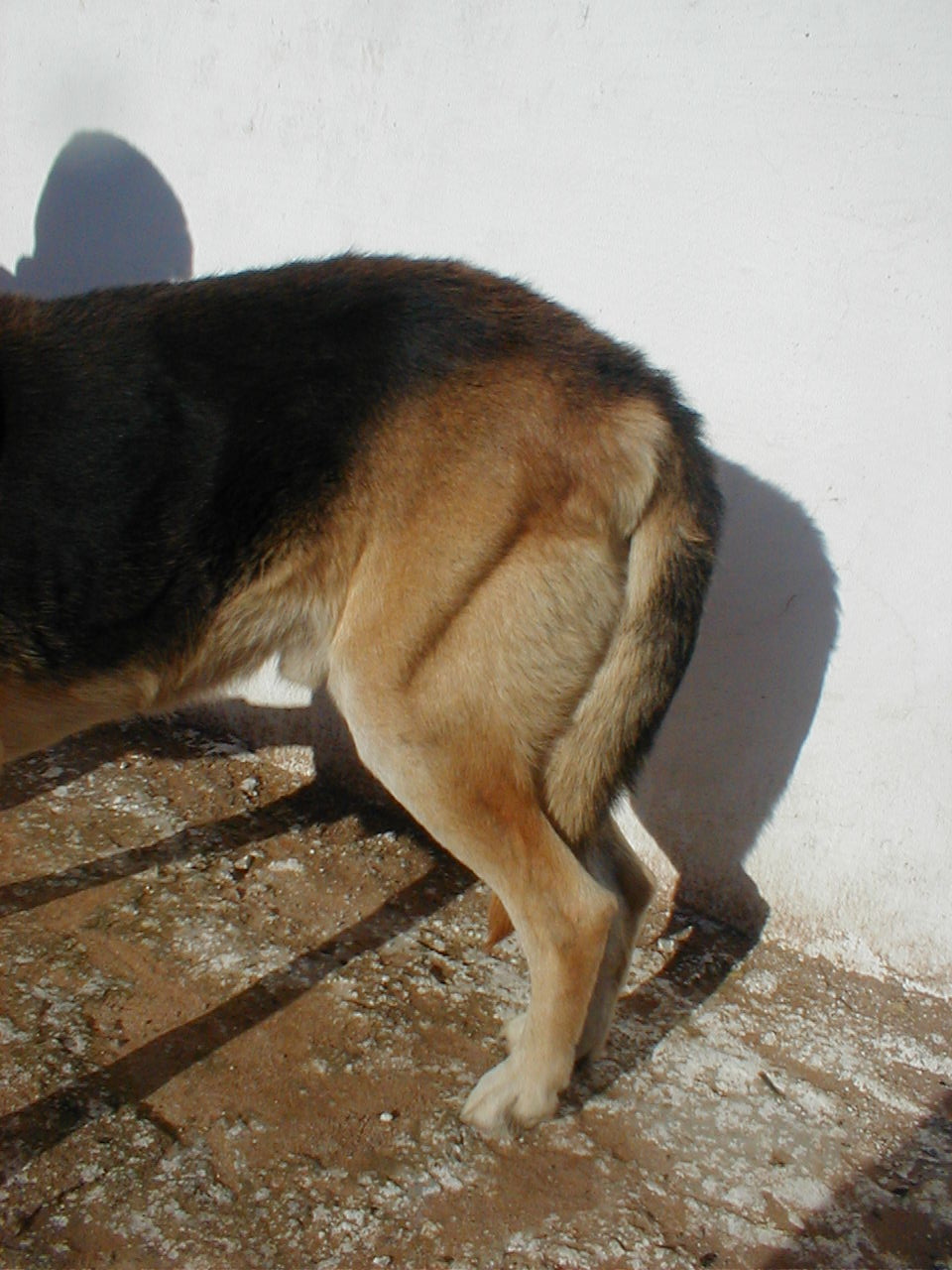
One of the first signs of wobbler syndrome is a weak, wobbly gait arthritis in dogs back legs. The hips sway from side to side when it's walking due to the nerve damage causing decreased control over the hind leg muscles. The hind legs sometimes begin to extend outward and become stiff as if the dog was stretching, according to the Textbook of Small Animal Orthopaedics. This leads to the dog walking with a pendulum-type motion, swinging its hind legs forward one at a time.
Front Legs
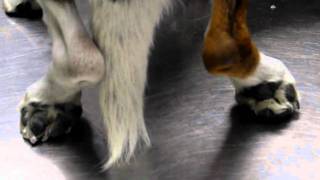
Another major symptom is weakness or arthritis in dogs front leg, which result in the dog having trouble getting up from a lying down position. This is because the bulk of a dog's weight is centered over the shoulders and requires the most strength to lift. According to Ronaldo C. da Costa, DMV, the front legs can become so weak with wobbler syndrome that a dog's feet may buckle and fall over face forward. The dog will avoid slippery surfaces that require strength in the front legs because of this weakness and lack of coordination.
Feet
Dogs with wobbler syndrome often scrape the top of their feet and toenails on the ground when walking, causing the top of the nails to become short or worn-looking, according to the Textbook of Small Animal Orthopaedics. This is due to the dog's inability to keep its feet upright and lifted off the ground while walking.
Neck
The neck is another region affected by wobbler syndrome. The most common symptom is general weakness in the neck, leading the dog to lie down frequently and walking with the head held low. If the dog is just beginning to develop wobbler syndrome, it may seem "lazy" or tired. The dog may turn its entire body instead of its head to see something due to limited coordination and strength in the neck muscles. Manually moving a dog around slightly may cause pain due to muscle stiffness and pinched nerves.

Tuesday, May 24, 2016

Hip Popping Problems in Dogs

Hip-popping problems are not uncommon in dogs. The larger the animal, the more likely he will have dog joint pain issues. Certain breeds, such as golden retrievers and German shepherds, are predisposed to this. If you're aware of the symptoms and treatments, you can help protect your pet from experiencing unnecessary pain and discomfort.

Cause
The most common cause of hip popping in dogs is hip dysplasia. This is a congenital disease that results in malformation of the ball-and-socket joint that makes up the hip. Instead of a smoothly moving joint, a dysplastic hip features a ball and socket that don't fit together correctly. When the hip moves, the two parts of the joint rub together, causing uncomfortable friction and the wearing away of cartilage. Eventually, arthritis dogs will result.

Symptoms
A dog with hip dysplasia may have difficulty standing and may hesitate walking up stairs. He may "bunny hop," or use both rear legs together instead of independently of each other. He may walk with a noticeable sway in his back end as he tries not to engage his painful hip. You may notice that he spends more time at rest. In some dysplastic joints, you'll hear a popping sound as the loose ball makes contact with the socket.
Treatment
If your dog is overweight, it's important to put him on a weight-control program. Every extra pound on your pet's frame places more pressure on the joints, which helps accelerate the progression of the disease. Regular exercise can stimulate cartilage growth and build muscle, which can help take the strain off the joints. Your vet may prescribe a nonsteroidal natural anti inflammatory dogs drug (NSAID) to help treat the pain and the arthritis. In severe cases, surgery may be necessary.
Prevention
Since dogs are born with hip dysplasia, it's not preventable. However, you can help slow its progression and keep your dog comfortable for a longer period of time. At the first signs of lameness, soreness or other indications of hip pain, start her on glucosamine and chondroitin to help maintain joint tissue and fluid. This will help slow the degeneration of the joints, and therefore help delay the onset of pain and inflammation. Talk to your vet about a prescription medication that can help manage the symptoms of this disease.

Warnings
Don't exercise your pet too much. Some exercise is helpful, while too much can be detrimental to good joint health. One or two short walks a day should be enough exercise for a dog with mild hip dysplasia. If your dog has surgery to treat this condition, be sure to wait the full recovery period before returning to normal activities. Exercising too soon can cause further damage to the joint area.

Friday, May 20, 2016

Schnoodle Ailments

When a poodle and schnauzer produce offspring, the result is known as a schnoodle. Like most breeds, schnoodles are healthy, but they are more prone to certain diseases than other breeds. Even though your schnoodle may be fine, it is important to be aware of diseases that could occur in order to seek treatment as soon as possible.

Hip Dysplasia
Schnoodles are more prone to dog hip and bone dysplasia than other breeds. This disease is hereditary. Hip dysplasia is a bone and joint disorder in which the head of the femur (large rear leg bone) either fits loosely or is completely dislocated from the socket. When this happens, it causes abnormal hip joint development. As the condition develops or worsens and the bone separates from the joint, arthritis in dogs generally occurs due to the friction. Pain sets in, and eventually debilitation is possible. You may see signs there is a problem when your schnoodle is four months to one year in age. If you notice your dog has difficulty standing, begins limping, or has a problem running or even walking that lasts more than a couple days, take your schnoodle to the veterinarian.

Legg-Calve-Perthes Disease
Legg-Calve-Perthes-Disease, also known as LCP, also involves the hip joint. However, if caught early enough, there are treatments for LCP. With this condition, the blood supply to the head of the femur connected to the pelvis decreases, causing the pelvis to deteriorate. Similar to hip dysplasia, signs there is a problem can occur as early as four months in age, and some of the signs are the same. You may notice limping and difficulty standing. If caught in the early stages, treatment may be possible with non-steroidal dog anti inflammatory drugs. However, if LCP is too severe, surgery will be required.

Progressive Retinal Atrophy
One main eye disorder with schnoodles is progressive retinal atrophy, known as PRA. There are different classifications of PRA, but ultimately it leads to complete blindness. The most common early sign of the disease is night blindness. If you notice your schnoodle bumping or tripping over objects and running into walls when a room has dim lighting, suspect PRA. As the disease progresses, dogs may lose sight during the day. In some cases, dogs will adjust to their surroundings even with partial vision loss if their surroundings do not change. If there is any indication your schnoodle has vision problems, a veterinary ophthalmologist will conduct an electroretinogram test to determine vision loss.

Saturday, May 14, 2016

Hip Problems in German Shepherds

Hip problems plague German shepherds, but helping an individual dog depends on his actual diagnosis. The two most common dog hip pain affecting the breed are hip dysplasia and degenerative myelopathy, which are very different conditions. Like many dogs, German shepherds are prone to arthritis as they age, which often afflicts the hips.

Hip Dysplasia
In German shepherds, hip or elbow dysplasia in dogs may become evident by the time the dog reaches middle age. It's a hereditary condition, resulting from a malformed hip joint. Symptoms include:
  1. Difficulty rising from a prone position
  2. Reluctance to climb stairs or into the car
  3. Limping or stiffness.

X-rays will confirm whether your dog suffers from hip dysplasia. Dogs with severe hip dysplasia require surgery, the equivalent of a hip replacement. Canines with milder forms of the condition may do well with supportive care and therapies. This includes:
  1. Massage
  2. Joint supplements
  3. Acupuncture
  4. Orthopedic dog bed
  5. Pain medication, when necessary
  6. A customized exercise program, focusing on walking and swimming.

It's important that your dog maintain a healthy weight, as extra pounds stress his joints. Your vet will recommend a weight management program for your German shepherd, if needed, when putting together a management plan for your pet.

If your dog is diagnosed with symptoms of arthritis in dogs rather than hip dysplasia per se, many of the same treatments apply, although surgery isn't generally an option.

Degenerative Myelopathy
Degenerative myelopathy occurs so often in the breed that it is often referred to as "German shepherd degenerative myelopathy." This genetic, progressive disease is similar to amyotrophic lateral sclerosis in people. There's no cure for degenerative myelopathy, but treatment can extend the dog's quality of life. The disease usually appears in German shepherds around the age of 8 or 9. Early signs mimic those of hip dysplasia. Other symptoms include:
  1. Dragging the hind feet
  2. Swaying when walking
  3. Crossing the rear legs when walking or standing

As the disease progresses, the dog is no longer able to stand. Your vet diagnoses degenerative myelopathy via blood tests, X-rays or magnetic resonance imaging and spinal fluid testing. Management includes:
  1. Physical therapy
  2. Swimming or light walking for exercise and maintenance of muscle mass
  3. Medication and supplements, such as prednisone, various vitamins and aminocaproic acid, a lysine derivative. 

Unfortunately, most dogs require euthanasia within a year of diagnosis.

Friday, May 6, 2016

Reasons of your Dog's Limping

When your pooch starts to limp, it could be a simple scratch, nails that need to be trimmed or something much serious, such as a broken limb or dog joint problems. Use a gentle touch with your pup and get him to the vet for medical attention as soon as possible.

Examine your dog for visible signs of trauma. If he’s bleeding or looks beat up in any other way, he could have been in a fight with another animal, hit by a car or otherwise injured. This constitutes a medical emergency, as your dog could have unseen internal injuries.

Check your dog’s feet, particularly his paw pads and in-between his toes. Thorns, rocks, glass and debris can get caught in these tender areas. Puncture wounds to the paw pads, whether from a toenail or a foreign object, can be painful. Use a gentle hand to remove any visible foreign object, wash with warm, soapy water and apply a topical antibiotic cream. Epsom salts can help reduce swelling.

Look for signs of discoloration on your dog’s paw pads. If they are hot and paws are red and swollen, he could be suffering pavement burns. After exposure to frigid temperatures, red, white or blackened paws can be a sign of frostbite. A trip to the vet is in order.
.
Look at your dog as he’s walking away from you. If his gait is off, he could have hip or elbow dysplasia dog. If he’s holding one leg off the ground he could have a sprain, a broken bone or a knee issue, such as a torn ligament. These issues can get worse without treatment for arthritis in dogs, so see your medical professional right away.

Pay attention to when your dog limps. If he has a hard time standing or a limp that goes away after he’s up and walking around for awhile, he could have arthritis. This is especially prevalent in older, large breed and overweight dogs.

Call your vet. A persistent limp should be checked out. Even seemingly minor issues that you treat at home, such as minor cuts, can become infected. More serious issues such as broken bones or joint and ligament problems often require rest, immobilization and sometimes surgery. If the situation goes unaddressed, the problem could get worse and be more painful for your dog.

Friday, April 15, 2016

G & C for Dogs

Glucosamine and chondroitin are substances the body naturally produces -- they are found in synovial fluid or joint fluid, cartilage, other connective tissues and organs. Manufactured glucosamine and chondroitin supplements, popular among humans for joint care, are often recommended by veterinarians to reduce arthritis-related inflammation in dogs.

Varying Results
Glucosamine and chondroitin for dogs supplements may help a pet's body repair and recover from minor tissue damage in the joints and ease arthritis discomfort. Some evidence, not completely proved, suggests that these supplements are helpful in treating canine arthritis; but their use does not necessarily help all dogs. Glucosamine and chondroitin supplementation cannot reverse structural damage to the joints.

Types of Glucosamine
Nutritional glucosamine exists in three forms: glucosamine hydrochloride, or glucosamine HCL, a salt that the body converts to glucosamine sulfate for dogs; glucosamine sulfate, the kind manufactured within the body; and N-acetylglucosamine, a simple sugar. Glucosamine sulfate and glucosamine HCL appear to be best absorbed and utilized. The body produces glucosamine from sugars and amino acids and uses it as a tissue component, especially in the joints, but production decreases with advancing age. Commercial glucosamine for dogs dosage supplements are manufactured from crustacean shellfish exoskeletons.
Chondroitin Characteristics
Chondroitin sulfate is also produced by the body -- in decreasing amounts with advancing age. Chondroitin, found in cartilage and synovial fluid, may contribute to joint tissue stability and repair. Since chondroitin is made from glucosamine, supplementation may not be more beneficial than glucosamine alone, but many veterinarians recommend both, and they are sold in combined form. Supplemental chondroitin is not absorbed as efficiently as glucosamine. Commercial chondroitin is extracted from mollusks and certain other marine invertebrates.
Indications for Supplementation
Glucosamine and chondroitin may be recommended for dogs with arthritis, joint injuries, hip dysplasia, lameness or other mobility impairments, disk injuries or disease, recurrent cystitis, and inflammatory urinary or gastric diseases.

Glucosamine and glucosamine-chondroitin preparations do not provide short-term pain relief and are not a replacement for temporary treatment with painkillers. However, a study published in "The Veterinary Journal" in 2007 indicates that anti-inflammatory effects of long-term glucosamine treatment compare favorably with long-term treatment using traditional nonsteroidal anti-inflammatory drugs. While side effects are currently unknown, standard veterinary recommendations include monitoring the blood sugar of diabetic dogs undergoing glucosamine therapy.

Thursday, March 31, 2016

How much glucosamine for dog?

Glucosamine is often recommended for aging dogs with degenerative arthritis and cartilage problems. It is a dietary supplement that helps reduce inflammation and retard cartilage damage. There are occasionally some side effects, and dogs can become ill if they get an overdose of glucosamine. However, the problems are minimal.

Glucosamine Tablets
Glucosamine tablets for dogs contain glycosaminoglycans, which aid in building cartilage and in bolstering fluid in the joints. They should not be the only remedy for dogs suffering from osteoarthritis, but should be used in combination with mild exercise and weight control. The tablets can include cartilage from cows and sharks and crustacean chitin. Similar tablets are available at pharmacies for people. A typical dose for a 25-lb. dog starts at roughly 500 mg of glucosamine and 400 mg of chondroitin. This is doubled for every 25 pounds of weight. Dosing frequency is typically daily initially, with tablets given less frequently after a few weeks. Consult a veterinarian for recommended dosage based on the dog.

Overdosing Has Minimal Problems
Glucosamine is considered a safe dietary supplement, with little to no side effects. Some dog owners have reported mild stomach upsets and diarrhea. The product package lists dosing recommendations. The tablets are not licensed by the FDA, therefore you should take care when purchasing glucosamine tablets and buy from quality manufacturers. Generic, inexpensive products on the market might not be as effective.

Dogs With Diabetes Should Avoid Glucosamine
Do not give dogs with diabetes pills or food with glucosamine unless approved by a veterinarian. The severity of the dog's diabetes can play a part. Glucosamine can block insulin formation and can trigger insulin resistance. As a result, sugar can build up to dangerous levels. Veterinarians might suggest lesser doses of glucosamine or might periodically monitor a diabetic dog's blood sugar while on glucosamine tablets.

Costly Treatments
The cost of glucosamine tablets and powders might be prohibitive for some dog owners. For example, a 50-lb. dog could take $1.50 worth of supplements a day initially, until the dose is cut back. The dose is typically lowered after the first several weeks as the dog's condition improves.

Where to Buy Glucosamine
Glucosamine tablets for dogs are available from veterinarians, at pet shops, and via many online suppliers. Many are sold under "dog joint pain relief" formulas. Consult the ingredients and dosing information before administering them. Some veterinarians recommend glucosamine products from pharmacies which are packaged for human use. Ask the vet for dosing information. Glucosamine is often recommended for aging dogs with degenerative arthritis and cartilage problems. It is a dietary supplement that helps reduce inflammation and retard cartilage damage. There are occasionally some side effects, and dogs can become ill if they get an overdose of glucosamine. However, the problems are minimal.

Glucosamine Tablets
Glucosamine tablets for dogs contain glycosaminoglycans, which aid in building cartilage and in bolstering fluid in the joints. They should not be the only remedy for dogs suffering from canine osteoarthritis, but should be used in combination with mild exercise and weight control. The tablets can include cartilage from cows and sharks and crustacean chitin. Similar tablets are available at pharmacies for people. A typical dose for a 25-lb. dog starts at roughly 500 mg of glucosamine and 400 mg of chondroitin. This is doubled for every 25 pounds of weight. Dosing frequency is typically daily initially, with tablets given less frequently after a few weeks. Consult a veterinarian for recommended dosage based on the dog.

Overdosing Has Minimal Problems
Glucosamine is considered a safe dietary supplement, with little to no side effects. Some dog owners have reported mild stomach upsets and diarrhea. The product package lists dosing recommendations. The tablets are not licensed by the FDA, therefore you should take care when purchasing glucosamine tablets and buy from quality manufacturers. Generic, inexpensive products on the market might not be as effective.

Dogs With Diabetes Should Avoid Glucosamine
Do not give dogs with diabetes pills or food with glucosamine unless approved by a veterinarian. The severity of the dog's diabetes can play a part. Glucosamine and chondroitin for dogs can block insulin formation and can trigger insulin resistance. As a result, sugar can build up to dangerous levels. Veterinarians might suggest lesser doses of glucosamine or might periodically monitor a diabetic dog's blood sugar while on glucosamine tablets.

Costly Treatments

The cost of glucosamine tablets and powders might be prohibitive for some dog owners. For example, a 50-lb. dog could take $1.50 worth of supplements a day initially, until the dose is cut back. The dose is typically lowered after the first several weeks as the dog's condition improves.

Where to Buy Glucosamine
Glucosamine tablets for dogs are available from veterinarians, at pet shops, and via many online suppliers. Many are sold under "joint relief" formulas. Consult the ingredients and dosing information before administering them. Some veterinarians recommend glucosamine products from pharmacies which are packaged for human use. Ask the vet for dosing information.

Tuesday, March 29, 2016

What is the best medicine for dogs arthritis

If your dog is suffering from arthritis or other nonlife-threatening painful conditions, an anti-inflammatory medication might offer relief. Although you can purchase anti-inflammatory medications for your dog over the counter, always check with your vet before buying and administering these drugs. Many of these supplements require daily administration for days or weeks before having any noticeable affect on your dog.

Methyl-Sulfonyl-Methane

Methyl-sulfonyl-methane, or MSM, contains antiinflammatory for dogs and antioxidant properties. This sulfur source, found naturally in many foods -- including fruits and vegetables -- helps support cartilage repair. MSM dogs also might benefit dogs with skin and respiratory issues, and possibly slow tumor growth. As an antioxidant, it might slow the aging process. Commercial MSM supplements usually are well-tolerated by dogs and considered safe when given in appropriate doses. Your vet can recommend MSM brands and the correct dosage for your pet, taking into consideration his age, weight and overall health.

Glucosamine and Chondroitin
Glucosamine and chondroitin sulfate, often included in the same supplement, fall into the category of nutraceuticals. These are food additives with healthy benefits, including anti-inflammatory properties. Glucosamine supplements for dogs, extracted from mollusk or crustacean shells, aids in joint lubrication production and helps to repair damaged cartilage. In addition, it benefits the urinary tract, along with nail and skin formation. Chondroitin sulfate, which occurs naturally in the body, dissipates in aging animals, so supplementation can restore this substance with inherent pain-killing qualities. Chondroitin sulfate aids to repair and protect cartilage.

Fatty Acid Supplementation
The fatty acids found in fish and flaxseed oils sport anti-inflammatory properties. If your dog is suffering from pruritus, or itchy skin, these omega-3 fatty acids can offer help from dryness and scratching. They also aid canines with degenerative joint disease. For dogs, fish oil makes more sense than flaxseed oils. While both are safe, canines convert fish oil to omega-3 fatty acids in their body much more efficiently than flaxseed oil. Give your dogs fatty acid supplements for at least one month before expecting results. Your vet can recommend specific brands and the correct dosage for your pet.
Nonsteroidal Anti-Inflammatory Drugs
If you want to relieve aches and pains, you might take an aspirin, ibuprofen, acetaminophen or naproxen tablet or gelcap to ease your discomfort. Those over-the-counter nonsteroidal anti-inflammatory drugs should never be given to your pet without veterinary recommendation. If your dog accidentally consumes any NSAIDs designed for people, call your vet immediately. Without prompt treatment, your dog could develop NSAID toxicosis, possibly resulting in death.

Saturday, March 19, 2016

How to Tell if your Dog has Arthritis

Dogs can develop arthritis gradually as a result of aging, or they can exhibit arthritis like symptoms suddenly, usually due to injury. While there is no cure for arthritis, there are ways to manage the condition and make your dog more comfortable. As some serious medical conditions mimic the arthritis in dogs symptoms, it’s always best to check with your vet for a formal diagnosis and to discuss treatment options.

Arthritis Symptoms

Arthritis is an inflammation of the joints, which is typically seen in older dogs. Large and giant breeds are more susceptible to the condition because of their size and weight. Obese dogs are more prone to arthritis because of the excess strain on joints. Primary symptoms include a slowness to movement, stiffness when standing and a reluctance to run, climb and jump onto elevated surfaces.

Arthritis Diagnosis
Your vet likely will perform an orthopedic exam manipulating your dog's limbs to assess mobility, stiffness and potential ligament or bone injuries. He’ll also watch your dog walk on different surfaces and ask you for information about his physical behaviors. X-rays and ultrasounds may be used in the diagnostic process as well.
Sudden Onset Arthritis
If your dog exhibits arthritis like symptoms suddenly, he could have an injury, such as an anterior cruciate ligament tear, a soft tissue injury, broken bone or dislocated hip. These injuries require immediate veterinary treatment to prevent further damage. Sudden lethargy, lameness and difficulty with movement are also signs of numerous other medical conditions, including neurological problems, and should be evaluated by a medical professional.
Arthritis Prevention
Keeping your dog at a healthy weight may help to reduce the severity of arthritis. Regular exercise and a well-balanced diet can keep your dog in good overall health. Reduce the pressure on knees, hips and shoulders by limiting stair climbing, especially in older dogs or breeds prone to arthritis. Your vet may recommend joint supplements containing glucosamine chondroitin dogs and omega-3 fatty acids to lubricate arthritic joins.
Arthritis Treatment
Dogs with arthritis often can have a good quality of life with a little help from you. Your vet may recommend anti inflammatory drugs for dogs to reduce pain and swelling or cortisone shots to improve joint mobility. Give your dog a low, soft, warm and supportive sleeping space and avoid prolonged exposure to cold temperatures. Physical therapy exercises, heat and water therapy and even massage can help reduce symptoms as well. In some cases, joint replacement surgery can help improve mobility and reduce pain.

Wednesday, March 16, 2016

What to Give Dogs for Arthritis

Arthritis is common in older dogs. Symptoms of arthritis in dogs include stiffness in all four legs, difficulty negotiating stairs and being reluctant to move. These symptoms tend to be worse right after the dog wakes up, or when he is cold. All dogs with these symptoms should see a vet to be sure it is arthritis and not something else. After a diagnosis, treatment can begin.

Diet
Arthritis is worse in overweight dogs. According to both The Doctors Book of Home Remedies for Dogs and Cats and the Arthritis Foundation, the best thing any owner of an dogs arthritis can do is make sure she is put on a low-fat diet to lose any extra weight. As the dog loses weight, she will have more energy to exercise, which will in turn boost her weight loss.

Exercise
Stiff dog joint pain become more supple with gentle exercise. Avoid exercising the dog in cold and damp weather, because that may be asking too much of the joints. If the dog is resistant in the morning, go for a walk in the afternoon or evening, once his limbs have a chance to warm up. Swimming is great, non-impact exercise for a dog.

Heat Therapy
The Doctors Book of Home Remedies for Dogs and Cats also recommends hot water bottles or hot compresses for dogs having an arthritis flareup. Hot water bottles or warm water compresses can be placed next to or on top of a stiff joint. If the dog yelps or shrinks away from the bottle or compress, it is too hot.

Acupuncture
Acupuncture is the use of hair-thin needles placed at strategic points. Sometimes these needles are given a mild electric current. Many dogs fall asleep during treatments. These treatments are done periodically and combined with diet, exercise and other therapies. According to one study (see Resources), the use of acupuncture alone did not significantly help dogs with elbow arthritis.

Warnings
Do not give dogs human arthritis medications, painkillers or nutritional supplements. These will be far too powerful for dogs, especially small dogs. Doses of medications are based on body weight. Know what your dog weighs. The general rule for aspirin dosage in a dog is 325 mg for every 10 pounds the dog weighs. Never give your dog a human medication of any kind without your vet's approval.

Saturday, March 12, 2016

Natural Remedies for Dog Arthritis

Once your dog reaches late middle age, it's likely he's affected by arthritis to some degree. While your veterinarian can prescribe medication to ease symptoms of arthritis in dogs, some of these drugs are expensive and side effects -- often serious -- are common. Unless your dog is severely afflicted, natural remedies often can alleviate arthritis pain with fewer potential side effects. Natural remedies for canine arthritis include therapies, such as acupuncture and massage, and nutritional pet supplements. Consult your vet before using any natural therapies or supplements on your dog.

The Right Diet

If your arthritic dog is overweight, relieve some of the stress on his joints by putting him on a diet. Your veterinarian can recommend a regimen for your pet, combined with the proper amount of exercise for his age and condition. Your vet might suggest changing your dog's food to one containing natural arthritis-fighting ingredients, such as omega-3 fatty acids. She also might recommend switching to a grain-free food, as grain might aggravate arthritis.

Brace, Wraps, Pads and Beds


Ask your vet if a canine orthopedic wrap, brace or pad would help relieve your dog's arthritis-related aches and pains. She can recommend products marketed by reputable manufacturers. Consider buying your dog a specially designed orthopedic bed to help ease joint pain when sleeping. An alternative, for colder weather, is placing a heating pad designed for dogs on his bed.
Canine Acupuncture

Acupuncture, an ancient Chinese therapy, can benefit dogs with arthritis. If your veterinarian doesn't offer acupuncture, she probably can recommend a veterinary acupuncturist. For dogs with arthritis, regular acupuncture treatments can relieve some of the pain associated with degenerative joint disease. The acupuncturist will insert small needles into areas of your dog's body containing blood and nerve tissues. Acupuncture has virtually no side effects, so is a safe therapy when performed by a trained professional.

Canine Massage

Regular massage can help ease your dog's arthritis pain, and you can learn to do it yourself. If possible, give your pet a good massage for about 10 to 20 minutes twice daily, in the morning and evening. Begin by thoroughly petting your dog, then gently knead his muscles. Follow the kneading by rubbing your hands against his skin, which helps loosen tight muscles. Switch back and forth between kneading and rubbing, making firm downward strokes every 10 seconds to aid drainage. Avoid actually massaging his joints, but concentrate on the areas near them.

Vitamins and Herbs


Vitamins C and E can help relieve arthritis pain, as can several herbs. Yucca, boswellia and turmeric all have anti-inflammatory properties, as does bromelain, a pineapple enzyme. Although herbs are natural, that doesn't mean they're risk-free, so understand potential side effects and contraindications before administering them to your dog. If your own vet isn't familiar with herbs, try contacting a holistic veterinary practitioner.

Arthritis Nutraceuticals


You've probably seen "nutraceuticals," or supplements with medicinal benefits, on drugstore and supermarket shelves. Many of the products marketed for human arthritis also come in canine arthritis versions. These include methyl-sufonyl-methane, or MSM, and glucosamine and chondroitin sulfate. Many canine joint products contain all three of these substances. MSM is a form of sulfur and sports anti-inflammatory properties. Glucosamine and chondroitin sulfate, which protect cartilage and aid in joint lubrication, also have anti-inflammatory components. Don't expect overnight results from nutraceuticals. It can take several weeks of daily administration before you notice a difference in your dog's movement.

Thursday, July 23, 2015

Arthritis in Dogs

Septic arthritis is a type of inflammation of the joint that is commonly seen after a traumatic injury that has exposed the joint to contamination by environmental microorganism, after surgery, or when microorganisms enter the joints through the blood stream. Infection of other body systems can be a source of these microorganisms ending up inside the joint fluid. Although infection of a single joint is common, more than one joint may be found to be affected in some dogs.

This disease is commonly seen in male dogs between the ages of four and seven years. Predisposed breeds include German shepherds, Dobermans, and Labrador retrievers.

Common symptoms include pain, fever, lethargy, lack of appetite, joint swelling, lameness of the affected limb, affected joint is hot to the touch and inability to move the affected joint normally.

Dogs with weakened or abnormal immune system or diabetes in dogs are at higher risk of developing various infections, including septic arthritis. Other underlying factors and/or causes including opportunistic infections after injury, bite wound (e.g., fight with another animal), gunshot wound, or surgery, bacterial infections that have traveled from another location in the body and fungal infections.


Dogs with this disease are usually presented to veterinarians with symptoms of lameness. Your veterinarian will take a detailed history, including any incidents of previous injury, animal fights, or other illnesses. A detailed physical examination will help your veterinarian to establish if single or multiple joints are affected. Other dog diseases that can cause lameness will also be considered.

After taking the blood and joint fluid samples and confirming a diagnosis of bacterial infection, antibiotics will be given to counter the infection. Which antibiotic will work best for your dog will depend on the results of the culture and sensitivity testing, both of which will tell your veterinarian about the microorganism involved in the joint infection.

Arthroscopy -- a type of endoscope that is inserted into the joint through a small incision -- is another technique that can be used to allow for a close examination of the interior of the joint, and can also sometimes be used in the treatment of the interior of the joint. Compared to surgery, arthroscopy is a less invasive technique.

Prevention includes adding probiotics to their diet. Probiotics for dogs reduces bad bacteria and strengthens immune system to help in removal of toxins. With everyday use of this premium supplement it will return pet back to its proper homeostasis. The product OmNutra Pet Probiotics contains 3 billion CFU per scoop that helps reduce and eliminate a variety of pet health issues such as arthritis.