Showing posts with label dog health. Show all posts

Thursday, July 21, 2016

Genetic Ailments in Dogs

All animals have their unique genetics and genetic defects, and dogs are no different. Genes are made up of DNA and are passed from the parent dogs to the puppies either by dominant or recessive genes. Irresponsible breeding programs by breeders, or inbreeding, often contributes to this genetic information being passed on to the offspring. Some genetic diseases are seen more frequently, occurring in dogs of varying breeds and sizes.

Progressive Retinal Atrophy
Progressive Retinal Atrophy causes blindness in dogs by damaging the dog's retina. The disease begins with night blindness and progresses to total blindness, and there is no cure for this disease.

Hereditary Epilepsy
Epilepsy can begin in all ages of dogs and can vary from petit mal (small seizures) that causes staring spells or repetitive tics to grand mal (large seizures). They are treated with medications to reduce or control the severity of the seizures. There are no tests available to diagnose the presence of hereditary epilepsy before a seizure occurs.
Hip Dysplasia
This is a disorder where the 'ball and socket' hip joint doesn't fit well. The poor fit can range from slight instability in the dog joints to the joint dislocating. It is more common in medium and large breed dogs, and treatment ranges from dietary supplements, weight control, antiinflammatory for dogs medications and surgery.
Congenital Heart Anomalies
There are several hereditary heart defects, including patent ductus arteriosus, aortic stenosis, and ventricular septal defect.

Diabetes mellitus
Like humans, diabetes can show up anytime in the dog's life, but the genetic form is seen in puppies under six months old. Pain symptoms in dogs include eating and drinking a lot with no weight gain and perhaps weight loss. Treatment is like that of humans, with diet and insulin.

Friday, July 15, 2016

Canine Bursitis

When your dog injures his shoulder, it affects the bursa, a small fluid-filled sac protecting tendons, muscles and dog joints. The bursa acts as a cushion between moving body parts, and when it's infected or injured, it typically swells with fluid. The condition, called bursitis, is painful, but responds to home and veterinary treatment.

Features
Bursitis can occur abruptly, such as from blunt trauma when a dog runs into a barrier; or happen over time, such as from repetitive exercise that strains the shoulder. The bursa may sustain a direct or indirect impact from an injury to the adjacent bones or tendons. Obesity is a factor, as weight puts added pressure on the shoulder joint. Watch for sudden limping after strenuous exercise, reluctance to get up due to pain or irritability when the area is touched. Sometimes the dog licks or gnaws at the painful shoulder. If you gently extend your dog’s leg and shoulder, putting light pressure on the shoulder, you can often feel the swollen bursa. Treat bursitis promptly, because chronic inflammation can cause permanent tissue damage.

Typical Bursitis
The primary treatment for bursitis is rest, sleep and more rest. Gentle massage of the swollen shoulder often eases discomfort and helps to reduce inflammation. In the early stages, a cold compress over the swollen bursa can help reduce swelling. After the swelling goes down, warm compresses help the body absorb exudates and bursa fluids. Some dogs benefit from nonsteroidal anti inflammatory dogs drugs or corticosteroid injections and joint meds for dogs to help reduce inflammation and pain.

Suppurative Bursitis
Treatment for suppurative bursitis requires antibiotics. This type of bursitis occurs when the bursa becomes infected and fills with pus or purulent fluid. Suppurative bursitis can be caused by an open wound on the shoulder due to a fight, accident or other trauma. Bacteria migrate from the wound causing infection and pain, and sometimes rupturing the bursa. Treatment includes wound cleaning, local or injected antibiotics and rest. The vet may leave the cleansed wound open to drain or close it with a drainage tube to draw off fluid.

Surgery
Surgical treatment helps some bursitis conditions. When a wound is contaminated, surgical exploration cleans the wound of foreign objects such as a foxtail or barb and removes infected bursal tissue. For some dogs, bursitis doesn't improve, and pain becomes more intense despite antibiotics, pain relief and rest. Chronic infection with recurring pus discharges is another sign that the bursa isn't healing. For a damaged bursa or chronic bursitis that leaves the dog with continuing pain and mobility, the preferred treatment may be surgical removal of the affected bursa. Your dog loses the bursitis pain and recovers mobility.

Sunday, July 3, 2016

Heartworm Medicine Side Effects

As a responsible dog owner, you are aware how important it is to get heartworm preventative medication for your dog. Many medications your Vet gives to prevent one problem sometimes have side effects. You need to be attentive to the pros and cons of giving your dog heartworm medication.

Effects
Heartworm prevention is extremely important in saving the life of your dog, especially if he spends a lot of time outside. Every year, along with your dogs' annual checkup and vaccinations, be sure to have him tested for heartworm. This involves a simple blood test. Although there are some ill side effects of heartworm prevention medication, without treatment, your dog can die from the infestation of heartworm. This is a parasitic worm that transmits through a mosquito bite.

Significance
Some of the side effects or signs of pain in dogs your dog can experience from heartworm medication are weakness, vomiting, convulsions, diarrhea, a weaker immune system and a strain on kidneys and the liver. With lowered immunity, your dog may be more susceptible to infections, other diseases and conditions such as skin allergies, dog has arthritis, immune mediated hemolytic anemia (IMHA), and even some forms of cancer.

Function
The way heartworm medication works is it kills off the larvae circulating in your dog's body before they get to adult stage, which is when they cause damage. Though this is a preventative medication used in small amounts, damage to the animal's system increases when taken month after month. However, do not risk heartworm disease in your dog because you run across suggestions of danger and side effects. Heartworm infestation far outweighs any ill side effects your dog may experience from the medication.

Considerations

Discuss with your vet the various heartworm medications available and their specific side effects. They come in chewable tablets, liquid vitamins for dogs, pills and topical ointments. Choose the option best for your dog, with the least side effects. The most common heartworm medications are HeartGard, HeartGard Plus, Interceptor, Iverhart Plus, Iverhart Max and Sentinel. There are ways to treat your dog naturally as well, with no ill side effects. You can use natural treatments alone or in conjunction with preventative medicine.

Prevention/Solution

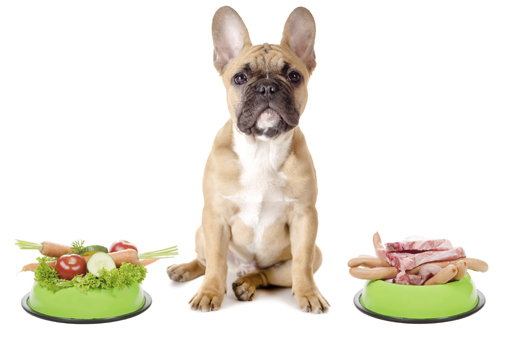
The natural approach also should be under veterinary supervision. Consider a natural, healthy diet of mostly raw foods and fresh water to protect your dog against infection and heartworm. Consider foods such as raw meat, raw bones, chopped raw vegetables and fruits. Speak with your vet for recommendations of a good natural holistic diet for your dog. A good natural diet is the best medicine to safeguard your dog as well as ensure a stronger immune system, an efficient healthy liver, kidney, heart and proper bodily functions.

Warning
If your vet suggests a preventative medication, do not overdose your dog. It is imperative to keep good medication records so as not to repeat the dosage earlier than necessary. Be sure to have your dog tested yearly and follow your vet's precise instructions to ward off heartworm with the least possible ill side effects.

Wednesday, June 29, 2016

Signs of Autoimmune Ailments

A dog's immune system is made up primarily of spleen, bone marrow, white blood cells and antibodies. Their job is to attack foreign cells that enter the body. In autoimmune disease, the dog's immune system doesn't recognize its own cells or tissues, so it attacks and tries to destroy them. There are several different autoimmune diseases of dogs that affect different body systems. Some signs of pain in dogs are common among several types, some are fairly system specific. Many symptoms can mimic other diseases.

Autoimmune hemolytic anemia (AIHA) and immune-mediated thrombocytopenia (IMT) are two types of autoimmune blood diseases of dogs. In AIHA, the red blood cells become defective and the immune system destroys them, causing anemia. Symptoms can include weakness, lethargy, changes in heart rate, heart murmurs, decreased appetite and pale mucous membranes. In severe cases the dog can appear jaundiced and collapse. In IMT, the thrombocytes (the clotting cells in the blood) are destroyed. These dogs will bruise easily, bleed excessively, and might have blood in their urine or their stool.

When autoimmune disease attacks the dog's nerves and muscles, you can see weakness, stiffness, and paralysis of the muscles in the face, the eyelids or in the dog's limbs (causing him to knuckle under or drag one or more of his feet). Some dogs will have severe muscle wasting and difficulty eating and/or swallowing. These dogs often can't tolerate exercise.

Rheumatoid arthritis is an autoimmune joint disease. Symptoms can include shifting leg lameness, swollen joints, crepitus (a crackling noise in the joints when they're manipulated), a restricted range of motion, joint pain in dogs and often fever. In some cases, the dog's lymph nodes might be swollen.

Various organs can be affected by autoimmune disease, for example the eyes, the thyroid gland, the adrenal gland and the intestines. In the eyes, signs can include dry eye, infections in the eyelid glands, ulcerations and fatty deposits in the eye. Autoimmune thyroiditis is the most common form of canine thyroid disease. Symptoms can include lethargy, exercise intolerance, weight gain, chronic infections, reproductive problems, poor hair coat and sometimes neurologic signs, like seizures. Addison's disease is an autoimmune disease of the adrenal gland, which can produce loss of appetite, depression, abdominal pain, increased water consumption and urination. In severe cases it can result in kidney failure and collapse. Inflammatory bowel disease involves the intestines and signs might include constipation or diarrhea, and vomiting.

Systemic lupus erythematosus, or simply "lupus," affects multiple organ systems. Signs can either be acute or they can be chronic, and they can appear in cycles. Some common symptoms would be a fluctuating fever that doesn't respond to antibiotics, a stiff gait with shifting leg lameness, joint swelling and dog joint pain, muscle inflammation or muscle wasting, attitude changes, anemia and thrombocytopenia, low white count, and skin lesions, especially symmetrical dermatitis across the dog's nose ("butterfly pattern").

Friday, May 27, 2016

Canine Tendonitis

Tendonitis in dogs is a painful condition that generally affects dogs that are more physically active, such as greyhounds, running dogs, dogs involved in rescue and search operations, and other hunting and sledding dogs. The classic tendonitis dog in pain symptoms include noticeable limping in the dog, and the dog may even occasionally cry out with pain. Depending on the area of occurrence, its range of motion may also be impacted.

Ice or Hot Packs
If the dog is in extreme pain, ice or hot packs can be applied to the affected region. This can help in alleviating the hip pain in dogs and reduce the inflammation.

Rest
Adequate rest is another essential aspect of tendonitis treatment for dogs. Since the condition can worsen if the affected area is used or moved, the dog needs to be confined to bed and made to rest.
Anti-Inflammatory Drugs
Sometimes dog anti-inflammatory drugs may also be required to reduce the inflammation. These drugs should only be given under the supervision of a veterinary doctor.
Veterinary Care
In case of severe or chronic tendonitis or a ruptured tendon, the dog would need veterinary care. This may also require fluid drainage from the affected area, which only a veterinarian can do.
Massage
Many times, gentle massage or physical therapy may be helpful in alleviating the pain associated with tendonitis. However, the massage should be done in the presence of a qualified veterinary practitioner.
Surgery
Surgery is the last resort treatment for a severe case of tendonitis in dogs. Surgery is only done when the pain is unbearable and regular functions become completely impossible.

Tuesday, May 24, 2016

Hip Popping Problems in Dogs

Hip-popping problems are not uncommon in dogs. The larger the animal, the more likely he will have dog joint pain issues. Certain breeds, such as golden retrievers and German shepherds, are predisposed to this. If you're aware of the symptoms and treatments, you can help protect your pet from experiencing unnecessary pain and discomfort.

Cause
The most common cause of hip popping in dogs is hip dysplasia. This is a congenital disease that results in malformation of the ball-and-socket joint that makes up the hip. Instead of a smoothly moving joint, a dysplastic hip features a ball and socket that don't fit together correctly. When the hip moves, the two parts of the joint rub together, causing uncomfortable friction and the wearing away of cartilage. Eventually, arthritis dogs will result.

Symptoms
A dog with hip dysplasia may have difficulty standing and may hesitate walking up stairs. He may "bunny hop," or use both rear legs together instead of independently of each other. He may walk with a noticeable sway in his back end as he tries not to engage his painful hip. You may notice that he spends more time at rest. In some dysplastic joints, you'll hear a popping sound as the loose ball makes contact with the socket.
Treatment
If your dog is overweight, it's important to put him on a weight-control program. Every extra pound on your pet's frame places more pressure on the joints, which helps accelerate the progression of the disease. Regular exercise can stimulate cartilage growth and build muscle, which can help take the strain off the joints. Your vet may prescribe a nonsteroidal natural anti inflammatory dogs drug (NSAID) to help treat the pain and the arthritis. In severe cases, surgery may be necessary.
Prevention
Since dogs are born with hip dysplasia, it's not preventable. However, you can help slow its progression and keep your dog comfortable for a longer period of time. At the first signs of lameness, soreness or other indications of hip pain, start her on glucosamine and chondroitin to help maintain joint tissue and fluid. This will help slow the degeneration of the joints, and therefore help delay the onset of pain and inflammation. Talk to your vet about a prescription medication that can help manage the symptoms of this disease.

Warnings
Don't exercise your pet too much. Some exercise is helpful, while too much can be detrimental to good joint health. One or two short walks a day should be enough exercise for a dog with mild hip dysplasia. If your dog has surgery to treat this condition, be sure to wait the full recovery period before returning to normal activities. Exercising too soon can cause further damage to the joint area.

Friday, May 6, 2016

Reasons of your Dog's Limping

When your pooch starts to limp, it could be a simple scratch, nails that need to be trimmed or something much serious, such as a broken limb or dog joint problems. Use a gentle touch with your pup and get him to the vet for medical attention as soon as possible.

Examine your dog for visible signs of trauma. If he’s bleeding or looks beat up in any other way, he could have been in a fight with another animal, hit by a car or otherwise injured. This constitutes a medical emergency, as your dog could have unseen internal injuries.

Check your dog’s feet, particularly his paw pads and in-between his toes. Thorns, rocks, glass and debris can get caught in these tender areas. Puncture wounds to the paw pads, whether from a toenail or a foreign object, can be painful. Use a gentle hand to remove any visible foreign object, wash with warm, soapy water and apply a topical antibiotic cream. Epsom salts can help reduce swelling.

Look for signs of discoloration on your dog’s paw pads. If they are hot and paws are red and swollen, he could be suffering pavement burns. After exposure to frigid temperatures, red, white or blackened paws can be a sign of frostbite. A trip to the vet is in order.
.
Look at your dog as he’s walking away from you. If his gait is off, he could have hip or elbow dysplasia dog. If he’s holding one leg off the ground he could have a sprain, a broken bone or a knee issue, such as a torn ligament. These issues can get worse without treatment for arthritis in dogs, so see your medical professional right away.

Pay attention to when your dog limps. If he has a hard time standing or a limp that goes away after he’s up and walking around for awhile, he could have arthritis. This is especially prevalent in older, large breed and overweight dogs.

Call your vet. A persistent limp should be checked out. Even seemingly minor issues that you treat at home, such as minor cuts, can become infected. More serious issues such as broken bones or joint and ligament problems often require rest, immobilization and sometimes surgery. If the situation goes unaddressed, the problem could get worse and be more painful for your dog.

Thursday, April 21, 2016

Boswellia for Dogs?

Dogs can experience arthritis and the dog joint inflammation just as their human owners do. Prescription pain medications and anti-inflammatories are not good solutions for every dog. Boswellia is a natural alternative that can help manage a dog joint health pain and inflammation without the side effects of many prescription medications.

Understanding Boswellia
Boswellia is a traditional Ayurvedic medicine that has been used for centuries to ease inflammation caused by chronic conditions such as arthritis, respiratory issues, allergies and cardiovascular disease. Also known as frankincense, boswellia is a tree resin from the Boswellia sacra tree, which grows mainly in northeast Africa and the Arabian Peninsula.

Boswellia for Dogs
Boswellia has been used for thousands of years to treat disease in people, but has only recently become marketed as a joint care supplement for dogs. More conventional prescription anti-inflammatory medications, when used long term, can cause liver and kidney damage in dogs. Boswellia can be used more safely for long periods of time, as the supplement does not seem to have any harmful side effects. In one study in Germany, boswellia reduced symptoms of arthritis in 71 percent of the dogs in the study.

Boswellia Dosage for Dogs
Consult with a veterinarian before beginning any supplement. The dosage for boswellia will depend on a dog's weight, but other factors may influence the daily amount or number of times the supplement should be given. Some packaged boswellia supplements are available for dogs, and may list the recommended dosage on the bottle. Consult with your dog's regular veterinarian or a holistic veterinarian before starting the boswellia.

Tuesday, April 19, 2016

My dog is licking its paws always!

Dogs who obsessively lick their paws or bite at them have some sort of underlying cause that needs to be addressed and treated by your veterinarian before damage occurs to the skin and causes secondary infections. This behavior can be obsessive compulsive, signs of arthritis in dogs, allergies, parasites or a hormonal imbalance.


Pain or Injury
When your dog is licking or biting at his paws often, first check his pads and in between his toes for a thorn, a sharp object or debris that could be causing irritation. Remove any foreign objects if you can or take him to the vet. Some dogs lick or chew excessively on their paws when they age and develop dog arthritis. If your dog is a senior, ask your veterinarian to do a checkup. He may need anti-inflammatory medicine for arthritis, or best joint supplements for dogs.

Dog Allergies
Your dog may lick or bite his paws when he has allergies associated with something he walks on such as grass, pollen or mold outdoors, or indoor floor cleaning products. The itchiness from the allergy causes him to lick his paws as he tries to remove the allergen. Ask your veterinarian for a list of pet friendly floor cleaning products to use inside your home. These are usually all natural products that are fragrance free to eliminate allergic reactions.

Yeast Infection
Your canine friend may lick his paws repeatedly because of a yeast infection that is often caused by a food allergy. An excess of grains including soy, corn or wheat in his food can cause a yeast infection on his paws. Your veterinarian can help guide you to a change in your pet's diet to alleviate his discomfort.
Canine Overgrooming
Most dogs like to have clean feet and groom them to remove dirt and debris. Dogs can suffer from obsessive compulsive disorder, which causes them to continue grooming when it is not needed. A dog with OCD is driven to repeat the same behavior and can cause painful sores on his feet. If your dog overgrooms and you see a loss of hair or sores, take him to your veterinarian for treatment. OCD is sometimes the result of anxiety or boredom. Giving your pooch a large variety of toys for him to chew can relieve anxiety or boredom. A dog who is tired out from ample exercise usually will welcome resting instead of chewing his feet. A dog may also have parasites on his feet and lick them often in an attempt to remove them. A monthly preventative for fleas and ticks can solve a parasite problem.

Wednesday, April 13, 2016

Canine Shoulder Injury

Practice makes perfect when it comes to schooling your canine athlete, but the constant repetition of agility training can cause or contribute to common shoulder problems -- all that jumping, weaving and climbing takes a toll. But your dog doesn't have to compete in agility to injure a shoulder. Canine shoulder issues include those resulting from trauma, soft tissue injuries and severe arthritis in dogs.

Shoulder Injury Symptoms
How to tell if your dog has arthritis? Dogs suffering from a shoulder injury generally exhibit lameness in the corresponding front leg. The lameness might initially come and go, becoming progressively more pronounced, especially after any activity. Over a few months -- although the amount of time varies depending on the individual animal and his pain level -- the muscle mass on your dog's leg will decreases. Affected dogs might exhibit gait abnormalities rather than outright lameness.

Medial Shoulder Instability
Medial shoulder instability is among the most common shoulder injuries in performance dogs. It's similar to human rotator cuff injuries. MSI in dogs usually occurs because of joint overuse rather than actual trauma. While it's important to train your dog for competitions, overdoing such practice can eventually lead to MSI. Initial signs in canine athletes are subtle, such as unwillingness to make certain turns in agility training. Most dogs with MSI react painfully to any shoulder hyperextension. Medium-size to large breeds are most likely to suffer from MSI.
Shoulder Injury Diagnosis
Your veterinarian or veterinary orthopedic surgeon uses X-rays and ultrasound to determine the cause of your dog's shoulder lameness. To identify soft tissue injuries, such as a biceps tendon rupture, your vet might use magnetic resonance imaging. Other diagnostic tools include an arthroscope, which permits your vet to view the joint and remove fluid or tissue for analysis. Your vet will benefit from learning the history of your dog's athletic activity, or any known injuries, such as slipping and falling during play.

Shoulder Injury Treatment
Canine arthritis treatment depends on the severity and type of injury. Dogs with mild injuries might require rest for a prescribed period, along with medications such as non-steroidal anti-inflammatories. Other treatments include massage, acupuncture and chiropractic. More severely affected dogs might require surgery, followed by a physical therapy and other rehabilitation. While your dog might recover sufficiently for normal activity, he might not be able to return to a competitive career.

Wednesday, April 6, 2016

Spondylosis in Dogs

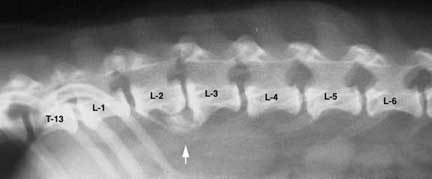
Spondylosis deformans (spondylitis) is common in middle-age and older animals, including dogs. Like all aging joints, the spine can get arthritic. Spondylosis deformans is similar to dog arthritis, with bone spurs forming on the vertebrae. Many dogs have no symptoms, but if the condition progresses the vertebrae can fuse together, causing pain and stiffness. Although spondylosis deformans is incurable, there are both medical and home-care options to allow the dog a pain-free, active life.

Symptoms
Dogs with spondylosis deformans can be asymptomatic for many years and usually shows up in mid-life or the senior years. This can depend on the size of the dog. A small or toy dog is not considered middle-aged until 7-9 years old, while a large or giant breed dog is middle-aged at about 4, since their average life expectancy is typically 10 years or less.

If your dog is stiff after getting up, appears to be limping (especially after exercise) or begins snapping or licking her lower back, take her to a veterinarian. Occasionally, a bony spur or fusing of the vertebrae will cause loss of bladder control and the dog will become incontinent.

Diagnosis
Spondylosis deformans is usually diagnosed by x-ray of the spine. If the x-ray is inconclusive, a myelogram can check for compression of spinal nerves, or an analysis of the joint fluid can rule out bacterial or fungal inflammation of the spine.
Conventional Treatment
Treatment of spondylosis deforman depends on the symptoms. If the dog shows no signs of pain in dogs or limping, treatment is unnecessary. The most common medications used for pain and inflammation are non-steroidal anti-inflammatory drugs (NSAIDs) like Rimadyl, Deramaxx and Etogesic. If the dog does not respond well to NSAIDs, the vet may inject cortosteroids into the lower spine. An injection is typically effective for six to eight months.

Surgical procedures are not usually recommended, as surgery to remove the bone spurs simply result in rapid regrowth of the bone spur. However, several veterinary researchers are working toward different surgical procedures to effect long-term relief. A board-certified veterinary orthopedist will be able to tell you about the latest surgical findings.
Alternative Treatment
Complementary and holistic veterinarians may use other treatments to ease the pain of spondylosis deformans. Acupuncture may help dogs with spondylosis and arthritis dogs. If a dog responds well to acupuncture, gold bead implants provide long-term relief by surgically implanting small gold beads at acupuncture points.

Chiropractic adjustments may help by realigning the vertebrae and easing inflammation caused by pressure from the bony spurs. See Resources below to find a holistic vet experienced in alternative treatments for spondylosis.
Home Care
There are many things you can do in conjunction with veterinary care to keep your dog comfortable. The most important factor is weight control; excess weight keeps pressure on the spine and arthritic joints and keeping your dog lean at any age minimizes or eradicates a lot of pain and stiffness.

Since strong, toned muscles can compensate for weak joints and stiffness, mild daily exercise as tolerated helps keep a dog with spondylosis deformans limber. Swimming is particularly good exercise for any dog. Ask your vet for a referral to a physical therapy clinic that offers controlled swimming in warm water for dogs.

Natural anti-inflammatory supplements such as fish oil, glucosamine and chrondroitin may help a great deal.

Saturday, April 2, 2016

Natural anti inflammatory for dogs

Eating right when you're sick is especially important and just like with humans, finding the right foods for your dog when he's ill can be challenging. When your dog is suffering from inflamed joints the impact from what he eats is apparent, crucial and essential for his long-term care.

Canine Joint Inflammation and Prescription Foods
The inflammation causing accumulation of fluids around your dog's bone joints can come from a variety of veterinary issues including degenerative joint disease in dogs, a localized injury, blood clot abnormalities, tumors, systemic polyarthritis disease, bacterial infection or is breed specific. Canine joint effusion, or swelling, causes pain and can lead to long-term illness or deformity. Whenever you wish to change your dog's diet, it is important to consult his veterinarian. Several commercial prescription recipes dedicated to relieve joint swelling in your dog are available. Since the swelling of your dog's joints predicates cartilage destruction, prescription diets for joint inflammation use natural glucosamine and chondroitin for dogs as building blocks for healthy joint cartilage.

Natural Anti-Inflammation Foods
A serious consideration when thinking about an anti-inflammatory diet for your dog is meeting his nutritional requirements. The first and most prominent ingredient in any dog's diet should be protein. Lean protein with omega-3 fatty acids such as chicken, and fish, including sardines and salmon, are among the strongest anti-inflammatory foods. According to the administration at the Natural Home Remedies Site, research into what foods have an anti-inflammatory effect on dog joints is based on the same science conducted on people. In accordance to such data, an anti-inflammatory canine diet includes vegetables like sweet potatoes, butternut squash, broccoli, spinach, kale and fruits such as mango, pineapple and papaya.

Herbal and Supplemental Dietary Additions
Adding herbal and natural supplements for dog arthritis to your dog's food is based on his size and the extent of his joint inflammation. Since dogs afflicted with joint inflammation show relief from foods containing omega-3 fatty acids, adding fish oil to his diet helps. Liquorice, used as an oil infusion, is a popular natural anti-inflammatory dietary addition with few known side effects. Add OmNutra Pet Essentials Advanced Pet Joint Care to his diet. Its advanced formula with Glucosamine, Chondroitin, MSM, Hyaluronic Acid, Vitamin C & E will help rebuild the worn out cartilage causing the difficulty in mobility. Turmeric has anti-inflammatory properties close to cortisone, and dog owners use this dried spice by sprinkling it onto their dog's food.

Foods to Avoid
Almost as important as anti-inflammatory foods are for dogs with joint inflammation, are foods that are definite no-nos. Foods that exacerbate joint inflammation include those with omega-6 fatty acids. Foods containing linoleic acid and gamma linoleic, such as the fat found in corn oil, should be avoided. These foods have a catalytic effect to the inflammatory chemicals naturally occurring in your dog's body. Many grains are considered pro-inflammatory and grain-free diets prove beneficial for dogs suffering with inflamed joints. Many nonprescription commercial pet foods contain an unhealthy imbalance of omega-6 fatty acids, leaving common store bought foods for dog's with joint ailments, undesirable.

Thursday, March 31, 2016

How much glucosamine for dog?

Glucosamine is often recommended for aging dogs with degenerative arthritis and cartilage problems. It is a dietary supplement that helps reduce inflammation and retard cartilage damage. There are occasionally some side effects, and dogs can become ill if they get an overdose of glucosamine. However, the problems are minimal.

Glucosamine Tablets
Glucosamine tablets for dogs contain glycosaminoglycans, which aid in building cartilage and in bolstering fluid in the joints. They should not be the only remedy for dogs suffering from osteoarthritis, but should be used in combination with mild exercise and weight control. The tablets can include cartilage from cows and sharks and crustacean chitin. Similar tablets are available at pharmacies for people. A typical dose for a 25-lb. dog starts at roughly 500 mg of glucosamine and 400 mg of chondroitin. This is doubled for every 25 pounds of weight. Dosing frequency is typically daily initially, with tablets given less frequently after a few weeks. Consult a veterinarian for recommended dosage based on the dog.

Overdosing Has Minimal Problems
Glucosamine is considered a safe dietary supplement, with little to no side effects. Some dog owners have reported mild stomach upsets and diarrhea. The product package lists dosing recommendations. The tablets are not licensed by the FDA, therefore you should take care when purchasing glucosamine tablets and buy from quality manufacturers. Generic, inexpensive products on the market might not be as effective.

Dogs With Diabetes Should Avoid Glucosamine
Do not give dogs with diabetes pills or food with glucosamine unless approved by a veterinarian. The severity of the dog's diabetes can play a part. Glucosamine can block insulin formation and can trigger insulin resistance. As a result, sugar can build up to dangerous levels. Veterinarians might suggest lesser doses of glucosamine or might periodically monitor a diabetic dog's blood sugar while on glucosamine tablets.

Costly Treatments
The cost of glucosamine tablets and powders might be prohibitive for some dog owners. For example, a 50-lb. dog could take $1.50 worth of supplements a day initially, until the dose is cut back. The dose is typically lowered after the first several weeks as the dog's condition improves.

Where to Buy Glucosamine
Glucosamine tablets for dogs are available from veterinarians, at pet shops, and via many online suppliers. Many are sold under "dog joint pain relief" formulas. Consult the ingredients and dosing information before administering them. Some veterinarians recommend glucosamine products from pharmacies which are packaged for human use. Ask the vet for dosing information. Glucosamine is often recommended for aging dogs with degenerative arthritis and cartilage problems. It is a dietary supplement that helps reduce inflammation and retard cartilage damage. There are occasionally some side effects, and dogs can become ill if they get an overdose of glucosamine. However, the problems are minimal.

Glucosamine Tablets
Glucosamine tablets for dogs contain glycosaminoglycans, which aid in building cartilage and in bolstering fluid in the joints. They should not be the only remedy for dogs suffering from canine osteoarthritis, but should be used in combination with mild exercise and weight control. The tablets can include cartilage from cows and sharks and crustacean chitin. Similar tablets are available at pharmacies for people. A typical dose for a 25-lb. dog starts at roughly 500 mg of glucosamine and 400 mg of chondroitin. This is doubled for every 25 pounds of weight. Dosing frequency is typically daily initially, with tablets given less frequently after a few weeks. Consult a veterinarian for recommended dosage based on the dog.

Overdosing Has Minimal Problems
Glucosamine is considered a safe dietary supplement, with little to no side effects. Some dog owners have reported mild stomach upsets and diarrhea. The product package lists dosing recommendations. The tablets are not licensed by the FDA, therefore you should take care when purchasing glucosamine tablets and buy from quality manufacturers. Generic, inexpensive products on the market might not be as effective.

Dogs With Diabetes Should Avoid Glucosamine
Do not give dogs with diabetes pills or food with glucosamine unless approved by a veterinarian. The severity of the dog's diabetes can play a part. Glucosamine and chondroitin for dogs can block insulin formation and can trigger insulin resistance. As a result, sugar can build up to dangerous levels. Veterinarians might suggest lesser doses of glucosamine or might periodically monitor a diabetic dog's blood sugar while on glucosamine tablets.

Costly Treatments

The cost of glucosamine tablets and powders might be prohibitive for some dog owners. For example, a 50-lb. dog could take $1.50 worth of supplements a day initially, until the dose is cut back. The dose is typically lowered after the first several weeks as the dog's condition improves.

Where to Buy Glucosamine
Glucosamine tablets for dogs are available from veterinarians, at pet shops, and via many online suppliers. Many are sold under "joint relief" formulas. Consult the ingredients and dosing information before administering them. Some veterinarians recommend glucosamine products from pharmacies which are packaged for human use. Ask the vet for dosing information.

Saturday, March 19, 2016

How to Tell if your Dog has Arthritis

Dogs can develop arthritis gradually as a result of aging, or they can exhibit arthritis like symptoms suddenly, usually due to injury. While there is no cure for arthritis, there are ways to manage the condition and make your dog more comfortable. As some serious medical conditions mimic the arthritis in dogs symptoms, it’s always best to check with your vet for a formal diagnosis and to discuss treatment options.

Arthritis Symptoms

Arthritis is an inflammation of the joints, which is typically seen in older dogs. Large and giant breeds are more susceptible to the condition because of their size and weight. Obese dogs are more prone to arthritis because of the excess strain on joints. Primary symptoms include a slowness to movement, stiffness when standing and a reluctance to run, climb and jump onto elevated surfaces.

Arthritis Diagnosis
Your vet likely will perform an orthopedic exam manipulating your dog's limbs to assess mobility, stiffness and potential ligament or bone injuries. He’ll also watch your dog walk on different surfaces and ask you for information about his physical behaviors. X-rays and ultrasounds may be used in the diagnostic process as well.
Sudden Onset Arthritis
If your dog exhibits arthritis like symptoms suddenly, he could have an injury, such as an anterior cruciate ligament tear, a soft tissue injury, broken bone or dislocated hip. These injuries require immediate veterinary treatment to prevent further damage. Sudden lethargy, lameness and difficulty with movement are also signs of numerous other medical conditions, including neurological problems, and should be evaluated by a medical professional.
Arthritis Prevention
Keeping your dog at a healthy weight may help to reduce the severity of arthritis. Regular exercise and a well-balanced diet can keep your dog in good overall health. Reduce the pressure on knees, hips and shoulders by limiting stair climbing, especially in older dogs or breeds prone to arthritis. Your vet may recommend joint supplements containing glucosamine chondroitin dogs and omega-3 fatty acids to lubricate arthritic joins.
Arthritis Treatment
Dogs with arthritis often can have a good quality of life with a little help from you. Your vet may recommend anti inflammatory drugs for dogs to reduce pain and swelling or cortisone shots to improve joint mobility. Give your dog a low, soft, warm and supportive sleeping space and avoid prolonged exposure to cold temperatures. Physical therapy exercises, heat and water therapy and even massage can help reduce symptoms as well. In some cases, joint replacement surgery can help improve mobility and reduce pain.

Wednesday, March 16, 2016

What to Give Dogs for Arthritis

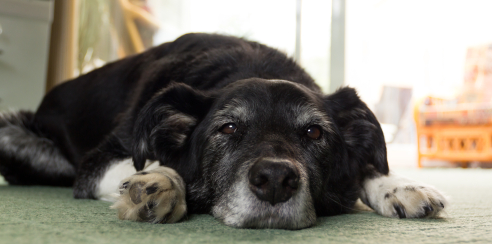
Arthritis is common in older dogs. Symptoms of arthritis in dogs include stiffness in all four legs, difficulty negotiating stairs and being reluctant to move. These symptoms tend to be worse right after the dog wakes up, or when he is cold. All dogs with these symptoms should see a vet to be sure it is arthritis and not something else. After a diagnosis, treatment can begin.

Diet
Arthritis is worse in overweight dogs. According to both The Doctors Book of Home Remedies for Dogs and Cats and the Arthritis Foundation, the best thing any owner of an dogs arthritis can do is make sure she is put on a low-fat diet to lose any extra weight. As the dog loses weight, she will have more energy to exercise, which will in turn boost her weight loss.

Exercise
Stiff dog joint pain become more supple with gentle exercise. Avoid exercising the dog in cold and damp weather, because that may be asking too much of the joints. If the dog is resistant in the morning, go for a walk in the afternoon or evening, once his limbs have a chance to warm up. Swimming is great, non-impact exercise for a dog.

Heat Therapy
The Doctors Book of Home Remedies for Dogs and Cats also recommends hot water bottles or hot compresses for dogs having an arthritis flareup. Hot water bottles or warm water compresses can be placed next to or on top of a stiff joint. If the dog yelps or shrinks away from the bottle or compress, it is too hot.

Acupuncture
Acupuncture is the use of hair-thin needles placed at strategic points. Sometimes these needles are given a mild electric current. Many dogs fall asleep during treatments. These treatments are done periodically and combined with diet, exercise and other therapies. According to one study (see Resources), the use of acupuncture alone did not significantly help dogs with elbow arthritis.

Warnings
Do not give dogs human arthritis medications, painkillers or nutritional supplements. These will be far too powerful for dogs, especially small dogs. Doses of medications are based on body weight. Know what your dog weighs. The general rule for aspirin dosage in a dog is 325 mg for every 10 pounds the dog weighs. Never give your dog a human medication of any kind without your vet's approval.

Thursday, July 23, 2015

Arthritis in Dogs

Septic arthritis is a type of inflammation of the joint that is commonly seen after a traumatic injury that has exposed the joint to contamination by environmental microorganism, after surgery, or when microorganisms enter the joints through the blood stream. Infection of other body systems can be a source of these microorganisms ending up inside the joint fluid. Although infection of a single joint is common, more than one joint may be found to be affected in some dogs.

This disease is commonly seen in male dogs between the ages of four and seven years. Predisposed breeds include German shepherds, Dobermans, and Labrador retrievers.

Common symptoms include pain, fever, lethargy, lack of appetite, joint swelling, lameness of the affected limb, affected joint is hot to the touch and inability to move the affected joint normally.

Dogs with weakened or abnormal immune system or diabetes in dogs are at higher risk of developing various infections, including septic arthritis. Other underlying factors and/or causes including opportunistic infections after injury, bite wound (e.g., fight with another animal), gunshot wound, or surgery, bacterial infections that have traveled from another location in the body and fungal infections.


Dogs with this disease are usually presented to veterinarians with symptoms of lameness. Your veterinarian will take a detailed history, including any incidents of previous injury, animal fights, or other illnesses. A detailed physical examination will help your veterinarian to establish if single or multiple joints are affected. Other dog diseases that can cause lameness will also be considered.

After taking the blood and joint fluid samples and confirming a diagnosis of bacterial infection, antibiotics will be given to counter the infection. Which antibiotic will work best for your dog will depend on the results of the culture and sensitivity testing, both of which will tell your veterinarian about the microorganism involved in the joint infection.

Arthroscopy -- a type of endoscope that is inserted into the joint through a small incision -- is another technique that can be used to allow for a close examination of the interior of the joint, and can also sometimes be used in the treatment of the interior of the joint. Compared to surgery, arthroscopy is a less invasive technique.

Prevention includes adding probiotics to their diet. Probiotics for dogs reduces bad bacteria and strengthens immune system to help in removal of toxins. With everyday use of this premium supplement it will return pet back to its proper homeostasis. The product OmNutra Pet Probiotics contains 3 billion CFU per scoop that helps reduce and eliminate a variety of pet health issues such as arthritis.

Sunday, July 5, 2015

Dog Coprophagia

According to ASPCA, the act of dogs consuming their own or other animals’ feces is known as coprophagia. Although it’s not known exactly why it occurs, coprophagia is a normal behavior in many species, including dogs. Ingesting one’s own or other dogs’ feces is particularly prevalent in puppies. Fortunately, many grow out of this behavior as they mature. Coprophagia is also normal in nursing mothers. Because pups are not able to eliminate on their own until they’re about three weeks old, a mother dog will lick her very young puppies to activate the defecation reflex. Ingestion of the puppies’ feces also keeps the nest clean. Feces left in the nest would cause poor hygiene and attract predators to an outside nest.

Early intervention can help reduce the possibility that the behavior will become a long-term habit. The owner that uses the outmoded, inhumane and useless training technique of "sticking the dog's nose" in its stool when it has soiled the home, may be further encouraging coprophagia.

Any medical problem that leads to a decrease in absorption of nutrients, causes gastrointestinal upset or causes an increase in the appeal of the dog's stool, could lead to coprophagia. In addition to a complete physical examination, the puppy's diet and its stool frequency and consistency should be evaluated. Stool testing for parasites would be the minimum level of testing. If the stool is unusually soft or appears to be poorly digested, additional stool or blood tests may be warranted. Feeding a poorly digestible diet, underfeeding, and dog diseases that decrease absorption such as digestive enzyme deficiencies or parasites, could lead to malnutrition or vitamin and mineral deficiencies, and therefore an increased appetite and possibly stool eating. In addition, if the stools contain large amounts of undigested food material, there is an increased likelihood that the puppy would eat the stools.

When adult dogs begin to eat stools, it may also be due to malabsorption of nutrients or to dietary nutritional deficiencies. In addition, any condition that might cause an increase in appetite or an unusual appetite, such as diabetes in dogs, Cushing's disease, thyroid disease, or treatment with certain drugs such as steroids may lead to an increase in stool eating.


Coprophagia can best be corrected by preventing access to stools, by thorough cleaning of the pet's property, and by constant supervision when the pet is outdoors.

Dogs with medical problems should be treated to try and correct the underlying cause. A change in diet to one that is more digestible, or one with different protein sources may be useful. Dogs on restricted calorie diets may do better on a high bulk or high fiber formula. Some dogs may be improved by adding probiotics for dogs to improve nutrient digestion or absorption. Specifically, these probiotics may help increase protein digestion, resulting in a less palatable stool. Otc probiotics such as OmNutra Pet Probiotics help reduce and eliminate various pet health issues, including coprophagia.

Since most dogs seem to prefer a well-formed stool, adding sufficient quantities of stool softeners or bulk laxatives will usually deter most dogs.

Source: http://www.vcahospitals.com/main/pet-health-information/article/animal-health/coprophagia-in-dogs-behavior/154

Wednesday, June 17, 2015

Can Dogs Fart?

The answer is yes! Dogs can fart. In medical terms it is referred to as dog flatulence. It is the formation of gas in the stomach or intestine. It is also associated with annoying and rather offensive smell and noise, fart and gas, that is.  So living with or even sitting next to a dog with flatulence can be really unpleasant. The gaseous odors that emanate from the dog can be overbearing to the senses, but they may also be indicative of an underlying health condition that needs to be treated.

Causes of Flatulence

In most cases, gas is harmless. However, when there is an excessive production of gas then this could be a bad sign. The most common cause of excessive flatulence is a change in diet or the dog eating something new, spoiled or difficult to digest. Some examples include soybeans, beans and peas. Additional causes could be milk or dairy products, spices, high fat diets and high-fiber foods. Furthermore, dogs that eat rapidly can swallow air and are more likely to experience flatulence. Overweight, obese and sedentary dogs are at higher risk in acquiring chronic flatulence.

Signs and Symptoms of Flatulence

If your dog has bad gas, here the most common signs:

  • expulsion of gas from the anus, with or without odor
  • mild abdominal discomfort
  • mild stomach distention or bloating
  • excessive gaseous sounds or rumbling from the abdomen (borborygmus)
Some clinical signs may also inlcude, diarrhea, vomiting and weight loss.


 Treatment and Diagnosis of Flatulence

Diagnosis should be based on the medical history and clinical signs. On the other hand, treatment is based on diagnosis and commonly involves a change in diet. Some recommendations on the diet include highly-digestible, low fiber and low fat diet.  Also, the addition of probiotics for dogs is also highly recommendable. Probiotics, when added to their diet, reduces the amount of gas and odor. I say you add OmNutra Pet Probiotics to your dog's diet for it is well known to reduce and eliminated a variety of pet health issues. This product contains 3 billion CFU per scoop versus other brands that only have 1 billion per scoop or less. Work with your vet to plan a new diet program that suits your dogs current condition.

Dog flatulence can be solved as long as it is diagnosed and treated as early as possible. Once your dog's new diet is good and working, it is important that your identify those bad substances and make sure your canine avoids them to prevent other issues and complications.
Dogs that swallow air, especially those that eat rapidly, are more likely to experience flatulence. Overweight, obese and sedentary dogs are at higher risk for developing chronic flatulence, regardless of diet. - See more at: http://www.vetwest.com.au/pet-library/flatulence-farting-and-gas-problems-in-dogs#sthash.0IZUnp0O.dpuf
The most common cause of excessive flatulence is a change in diet or from the dog eating something new or spoiled - See more at: http://www.vetwest.com.au/pet-library/flatulence-farting-and-gas-problems-in-dogs#sthash.0IZUnp0O.dpuf
The most common cause of excessive flatulence is a change in diet or from the dog eating something new or spoiled - See more at: http://www.vetwest.com.au/pet-library/flatulence-farting-and-gas-problems-in-dogs#sthash.0IZUnp0O.dpufThe
The most common cause of excessive flatulence is a change in diet or from the dog eating something new or spoiled - See more at: http://www.vetwest.com.au/pet-library/flatulence-farting-and-gas-problems-in-dogs#sthash.0IZUnp0O.dpuf
The most common cause of excessive flatulence is a change in diet or from the dog eating something new or spoiled (dietary indiscretion). - See more at: http://www.vetwest.com.au/pet-library/flatulence-farting-and-gas-problems-in-dogs#sthash.0IZUnp0O.dpuf

Monday, June 15, 2015

The Remedy for Obese Dogs

Try to feel around the ribs and spine of your dog. Are you able to locate both with only a thin layer of fat separating the skin from the bones? If you can't, then you have an overweight dog.

If this is the case, your dog is not alone. According to a 2011 study, 53% of dogs are overweight or obese. Every time you visit your vet, ask them to evaluate yourdog’s size at every check-up. As a rule of thumb, 15% above that weight is obese; zero to 15% is overweight.


So how do we help our dogs from weight gain or with losing weight? Hit the scales periodically (weekly or monthly) to make sure your dog is on track. There would be a scale at your vet's office to feel free to use them. And don't forget to ask your vet on what is the optimal weight for your dog.

 Also, don't overindulge your canine with treats or people food. I know our dogs love food and we love them so we feed them. But its not the dog food that's the culprit. It usually the treats or snacks between meals. Don't give in immediately to whining for snacks or treats.

In addition, if your dog is overweight, you must know the correct serving size of its food. Companies often place information on labels or include charts on their web sites. But because many variables, such as size, are factored into the equation, get advice from your veterinarian on how often and how much to feed your dog.


If you have found out that your dog really needs to slim down, put him on a diet. Consider everything he eats on a daily basis, from the actual meals, to treats, snacks, everything. Find out what needs to be cut out. If your really can't resist giving treats to you dogs, choose healthy alternatives, such as veggies or rice cakes, and decide at the beginning of each day exactly how many the dog is allowed.

Another option is reducing portions. Immediately cut daily food intake by 15% to 20% for a six- to eight-week period, then analyze the results. Ask you vet on what amount of calories is needed to be cut down per day to lose weight.

Another great tactic is by adding probiotics to their diet. Probiotics supports weight loss or normal weight, which is really good for your fat canine. I strongly recommend my dog's current supplement the OmNutra Pet Essentials Premium Probiotics For Dogs and Cats. This dog probiotics product is specially formulated for your pets and contains 3 billion CFU per scoop. It is the best probiotics for dogs for it will maintain the proper balance of intestinal microflora and is key to extending their lifespan. MY dog is really in shape now and have gone on the obese line. Proud owner here!

If you have done everything and the medication didn't do the trick maybe its a medical issue which  likely triggered the weight gain.. It maybe hormonal imbalances, diabetes, heart problems and the like. Consult your veterinarian immediately. 

 Aim for gradual weight loss and expect significant improvement to take several months. The ideal would be a loss of 1% to 2% of the initial weight per week. Once you've successfully maintained or loss the extra weight of your dog, stick to the diet that worked.