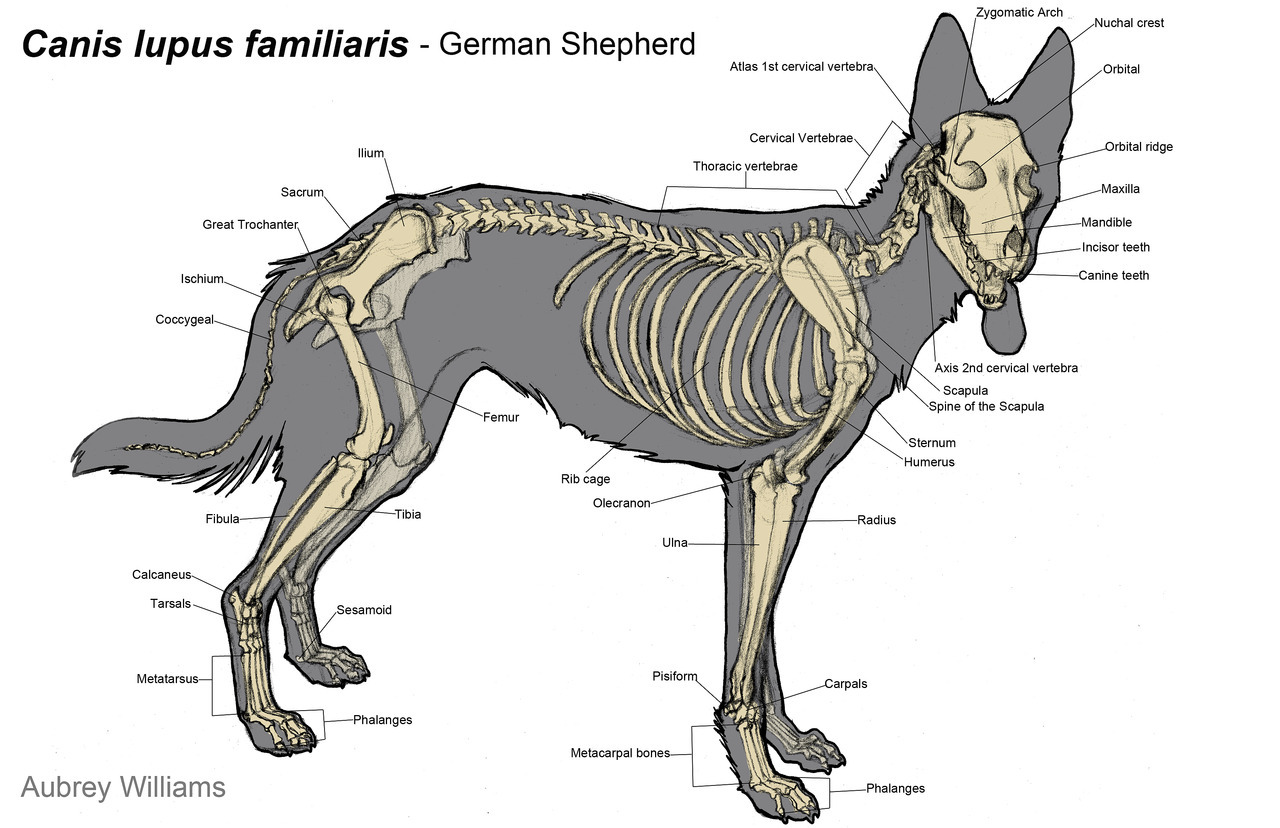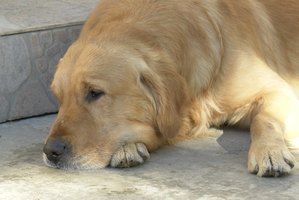
Bursitis can occur abruptly, such as from blunt trauma when a dog runs into a barrier; or happen over time, such as from repetitive exercise that strains the shoulder. The bursa may sustain a direct or indirect impact from an injury to the adjacent bones or tendons. Obesity is a factor, as weight puts added pressure on the shoulder joint. Watch for sudden limping after strenuous exercise, reluctance to get up due to pain or irritability when the area is touched. Sometimes the dog licks or gnaws at the painful shoulder. If you gently extend your dog’s leg and shoulder, putting light pressure on the shoulder, you can often feel the swollen bursa. Treat bursitis promptly, because chronic inflammation can cause permanent tissue damage.
Typical Bursitis
The primary treatment for bursitis is rest, sleep and more rest. Gentle massage of the swollen shoulder often eases discomfort and helps to reduce inflammation. In the early stages, a cold compress over the swollen bursa can help reduce swelling. After the swelling goes down, warm compresses help the body absorb exudates and bursa fluids. Some dogs benefit from nonsteroidal anti inflammatory dogs drugs or corticosteroid injections and joint meds for dogs to help reduce inflammation and pain.
The primary treatment for bursitis is rest, sleep and more rest. Gentle massage of the swollen shoulder often eases discomfort and helps to reduce inflammation. In the early stages, a cold compress over the swollen bursa can help reduce swelling. After the swelling goes down, warm compresses help the body absorb exudates and bursa fluids. Some dogs benefit from nonsteroidal anti inflammatory dogs drugs or corticosteroid injections and joint meds for dogs to help reduce inflammation and pain.
Suppurative Bursitis
Treatment for suppurative bursitis requires antibiotics. This type of bursitis occurs when the bursa becomes infected and fills with pus or purulent fluid. Suppurative bursitis can be caused by an open wound on the shoulder due to a fight, accident or other trauma. Bacteria migrate from the wound causing infection and pain, and sometimes rupturing the bursa. Treatment includes wound cleaning, local or injected antibiotics and rest. The vet may leave the cleansed wound open to drain or close it with a drainage tube to draw off fluid.
Treatment for suppurative bursitis requires antibiotics. This type of bursitis occurs when the bursa becomes infected and fills with pus or purulent fluid. Suppurative bursitis can be caused by an open wound on the shoulder due to a fight, accident or other trauma. Bacteria migrate from the wound causing infection and pain, and sometimes rupturing the bursa. Treatment includes wound cleaning, local or injected antibiotics and rest. The vet may leave the cleansed wound open to drain or close it with a drainage tube to draw off fluid.
Surgery
Surgical treatment helps some bursitis conditions. When a wound is contaminated, surgical exploration cleans the wound of foreign objects such as a foxtail or barb and removes infected bursal tissue. For some dogs, bursitis doesn't improve, and pain becomes more intense despite antibiotics, pain relief and rest. Chronic infection with recurring pus discharges is another sign that the bursa isn't healing. For a damaged bursa or chronic bursitis that leaves the dog with continuing pain and mobility, the preferred treatment may be surgical removal of the affected bursa. Your dog loses the bursitis pain and recovers mobility.
Surgical treatment helps some bursitis conditions. When a wound is contaminated, surgical exploration cleans the wound of foreign objects such as a foxtail or barb and removes infected bursal tissue. For some dogs, bursitis doesn't improve, and pain becomes more intense despite antibiotics, pain relief and rest. Chronic infection with recurring pus discharges is another sign that the bursa isn't healing. For a damaged bursa or chronic bursitis that leaves the dog with continuing pain and mobility, the preferred treatment may be surgical removal of the affected bursa. Your dog loses the bursitis pain and recovers mobility.